The height of the COVID pandemic has passed, but the prolonged impact on children and teens will be felt for years to come.
Donna Cooper, Executive Director of Children First, joined us for our latest Lunch and Learn to share findings from their new report, COVID’s Impact on Philadelphia Children: The Case for an Ambitious Rebound. A deep dive into the data reveals just how deeply Philadelphia’s young people were hurt by the pandemic and what steps must be taken to start to heal the city’s children.

KEY TAKEAWAYS
Good public policy works. The enactment of the expanded Child Tax Credit reduced child poverty dramatically during the pandemic. The federally permitted safety-net flexibility kept children fed and healthy. We know how to do these things – it’s just a question of if we do it or not.
The City of Philadelphia and the School District of Philadelphia stepped up for children during the pandemic. Tens of thousands of families got laptops for students and connected to the internet at home. Philly now needs to make sure we documented the lessons learned from this period so we can do better next time.
But students still struggled to overcome virtual learning obstacles. For example, 44% of SDP teachers reported students faced technology-related challenges accessing remote instruction. Student participation in virtual classes started out at 79% in May 2020 and dropped to 42% four weeks later.
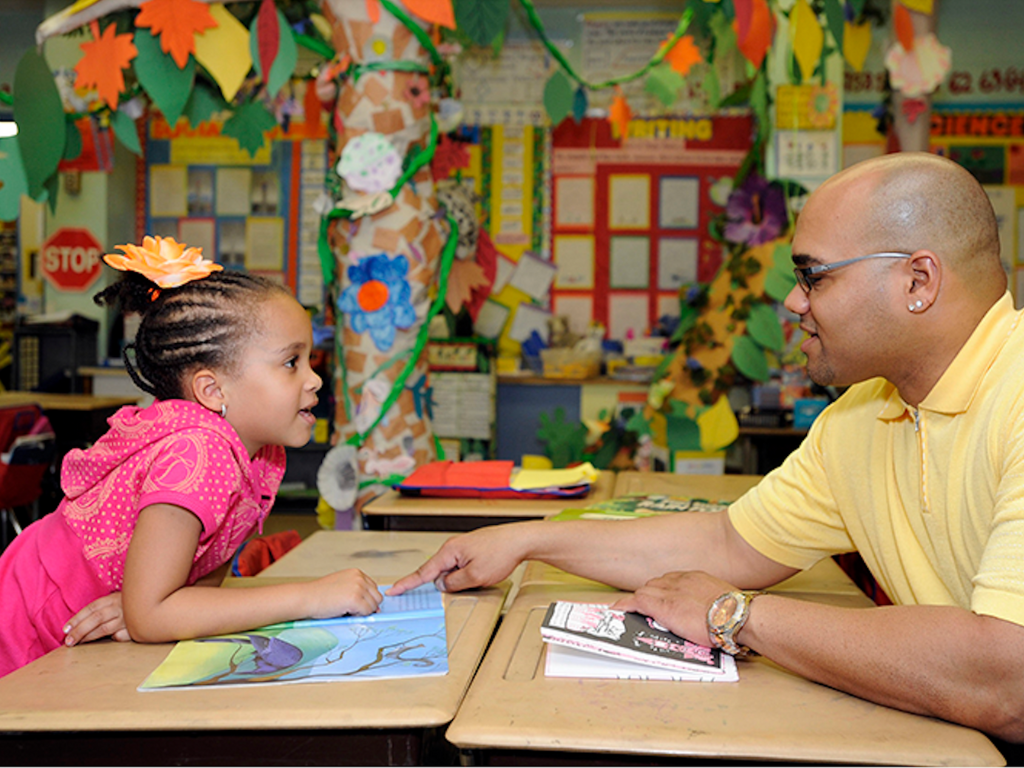
We’ve seen warning signs that early reading suffered. The School District of Philadelphia found that district benchmark reading assessments indicated that 2nd to 5th graders lost significant ground from Fall 2021 to Fall 2022. PSSA results released this fall will tell the full story.
We need to continue investing in kids. Children bore many of the costs of the pandemic. Philly must continue to invest dollars, close the gap in access to behavioral health services, improve access to quality child care, and implement the sort of public policy that we know works to protect children from poverty.
EXPLORE OUR LUNCH & LEARN SERIES