Queen City Readers transforms community volunteers into high-impact reading tutors
Everyone has a role to play in growing stronger readers. This is a mantra we carry into every aspect of our work at Read by 4th. So, we're thrilled to share a remarkable initiative that has brought this idea to life – Queen City Readers, a new tutoring model introduced by our friends at Read Charlotte.
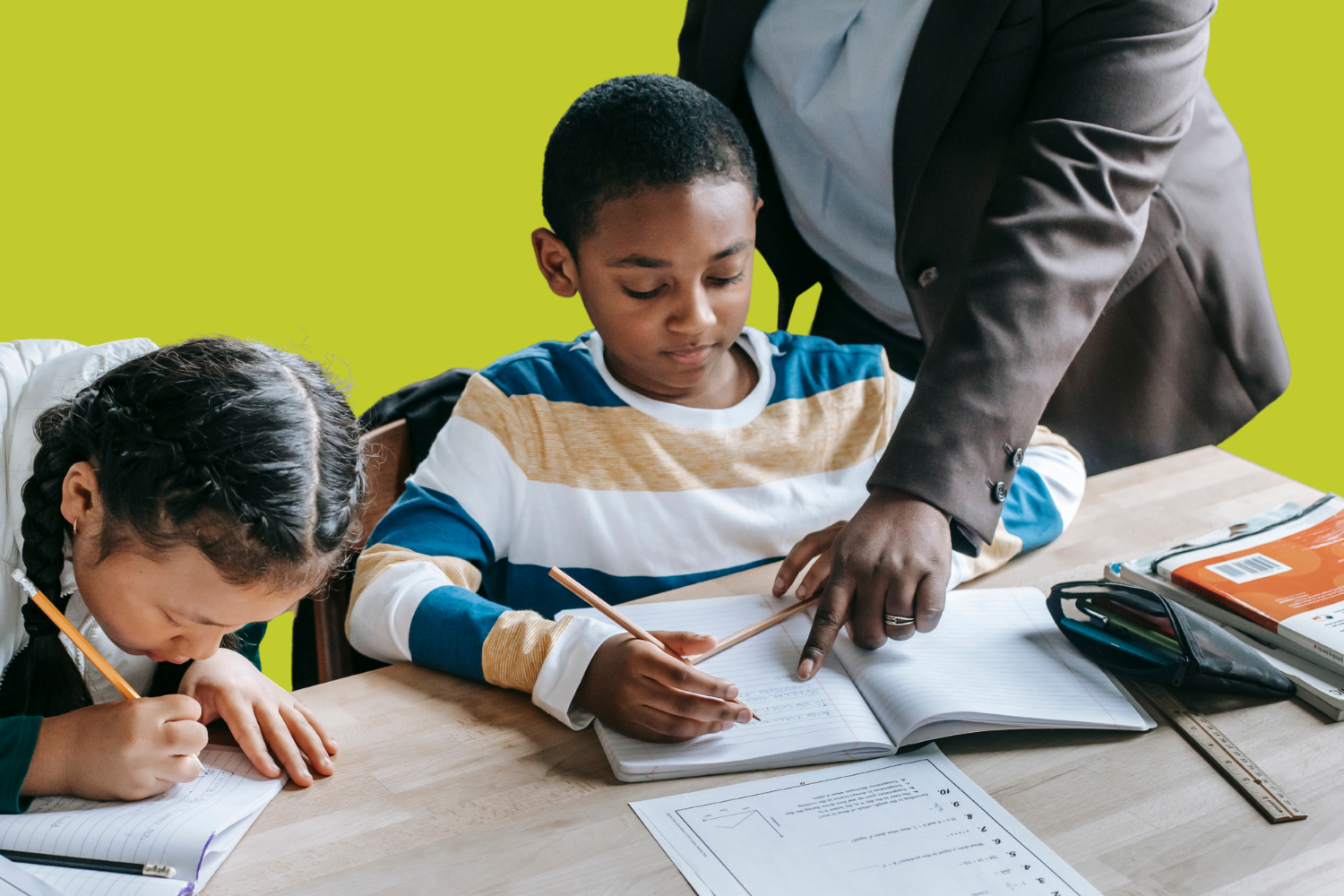
Queen City Readers is a groundbreaking program that equips everyday volunteers, individuals from the community without a formal education background, with the skills and resources necessary to provide lessons in foundational reading skills. It's a model designed by educators and firmly rooted in the principles of synthetic phonics instruction, ensuring children receive the best support to enhance their literacy skills.
The beauty of Queen City Readers lies in its ability to harness the collective power of our community to scale evidence-based literacy support for our children. And we're already excited to think how this could be applied here in Philly, a city with over 1,000 neighborhood Reading Captains.
Watch this recording to learn more about the design, findings, and impact of Queen City Readers.
Strong readers start with strong teachers. Here’s what it will take to build a stronger teacher pipeline in Philadelphia.
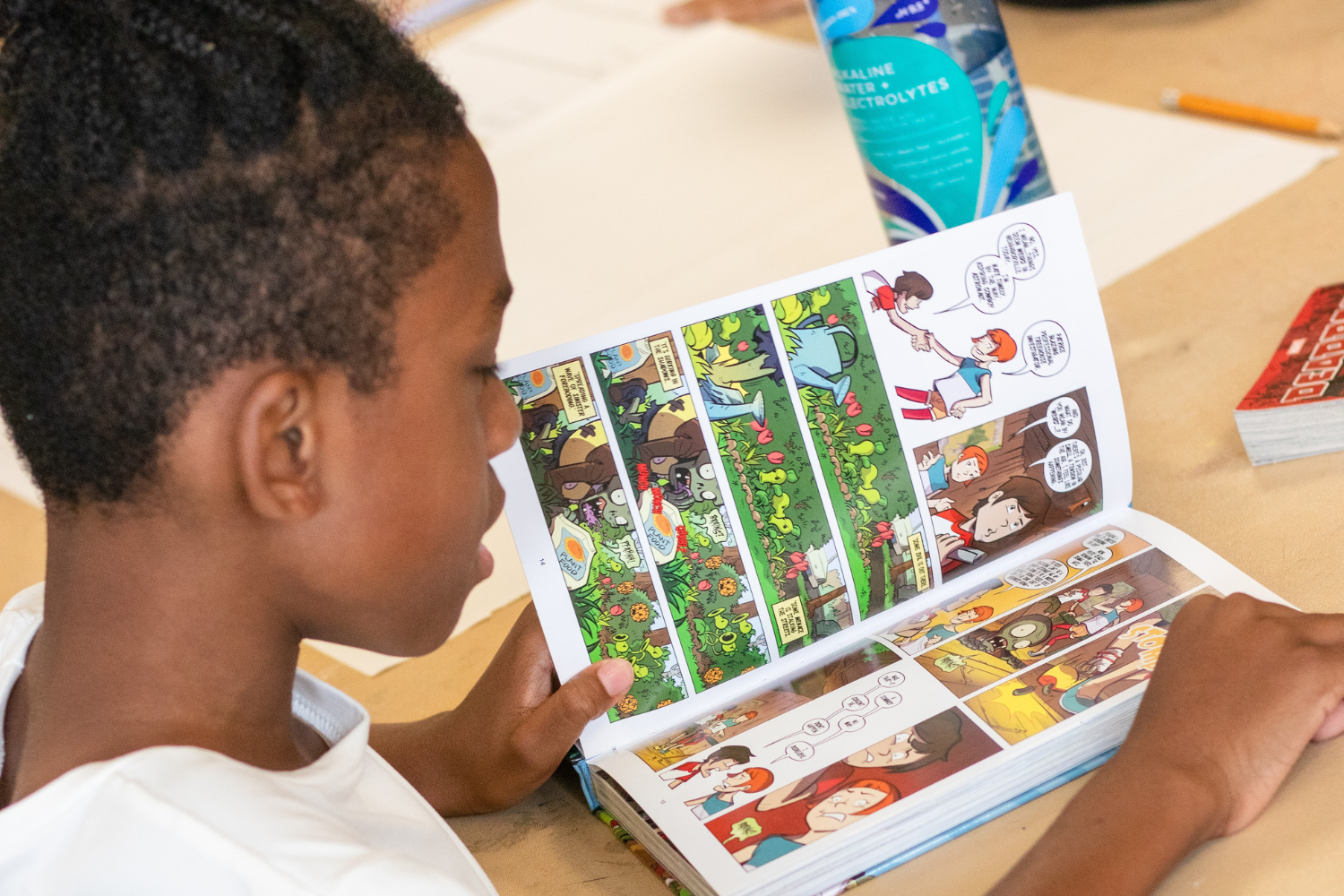
With support from the Neighborhood Literacy Fund, Dr. Sheena Howard’s comic-making workshops gave kids a chance to read, write and tell their own stories.
Some reading skills have a finish line. Others keep growing. Dr. Munro Richardson explains why they both matter.
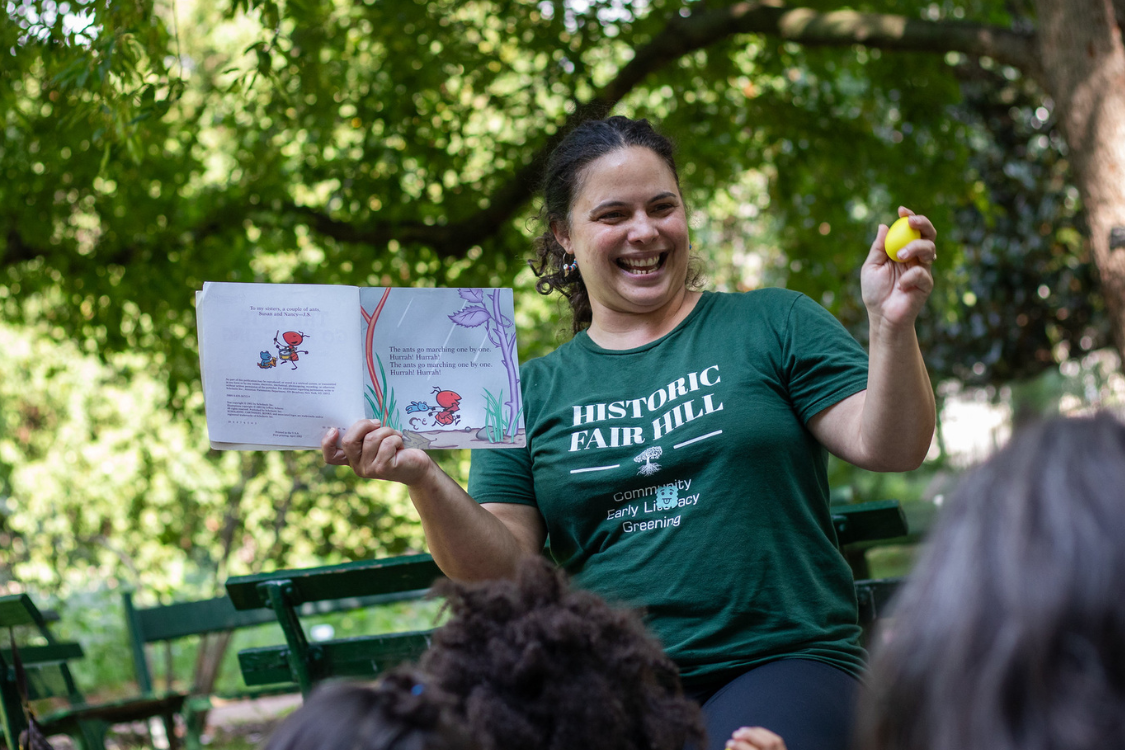
Martina Barbour knows literacy doesn't just live between two book covers. It lives in the soil, shared songs, and the questions kids ask on the walk home.
Stop asking why dads aren’t showing up. Start asking what we can change to make sure they feel welcomed.
What does effective reading tutoring look like in Philadelphia? Researcher Kendall LaParo explores the gap between evidence-based practice and the real-world challenges of helping students learn to read.
Toya Algarin has a simple, radical idea: the best reading teachers may already be at home. And they might be grandmothers.
When a parent can't read, a child notices. And that child is more likely to struggle too.
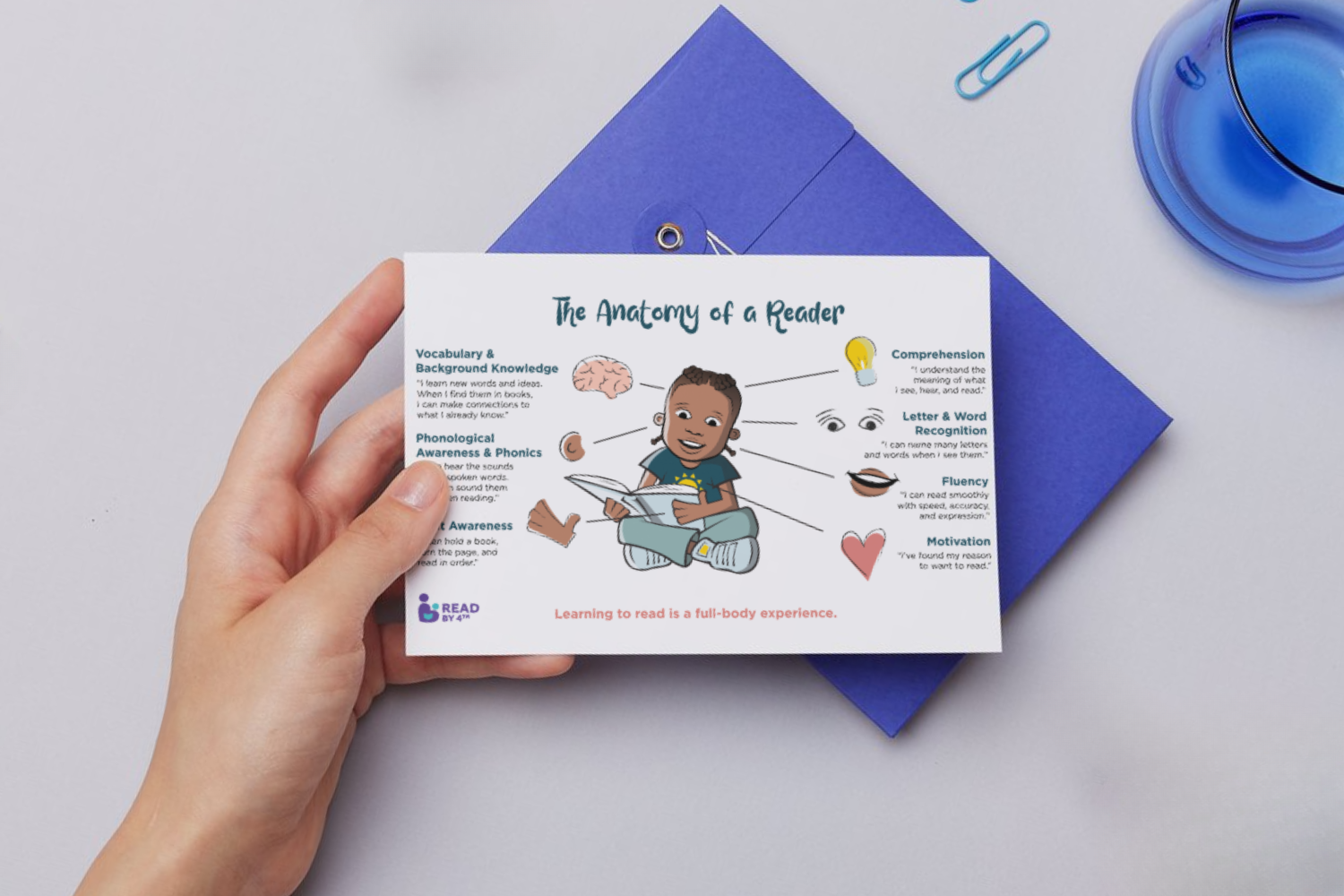
This graphic makes the science of reading clear and helps families, schools, and communities speak the same language.
Philadelphia once had nearly 200 school librarians, now it has two. This is how the city lost them and how we can bring them back.
In a night of celebration and action, Read by 4th partners came together to fight for every child’s right to read.
From struggling reader to community leader, Jazmine is making sure more children have the support they need to thrive.
We can’t talk about the early literacy crisis without being real about something else: the adult literacy crisis.
Self-care isn't just wellness, it’s the foundation of sustainable healthy advocacy. Caring for ourselves helps us better care for others.
Want to rally for Philly’s young readers? Download our free posters and help push for policies that fuel early literacy success.
Moffet School is rewriting the script on reading with structured literacy, family engagement, and a whole-child approach.
Reading Captains, you’ve got the trust, the heart, and the know-how. Here are a few simple, powerful ways to spread a love of literacy.
Literacy is a right, but it hasn’t always been protected. Check out this Lunch & Learn exploring the history of Black literacy in America and the lessons we can carry into our present and future.
Use these reflection questions as a strategic tool to help bring our shared values off to life.
The literacy world is packed with big, fancy words—but we’re not about that. Here’s a no-fluff guide to the key terms that matter to Philly’s early literacy movement.
Chewing on books? Reading backward? Obsessed with one story? These quirky reading habits might seem strange, but they’re actually signs your child is learning.
We partnered with Fors Marsh to evaluate how our community literacy grant model, influenced by participatory and trust-based philanthropy, is working.