Nail the Handout Handoff—How to Give Families Literacy Resources They’ll Actually Use
We've all seen it. We’ve definitely all done it.
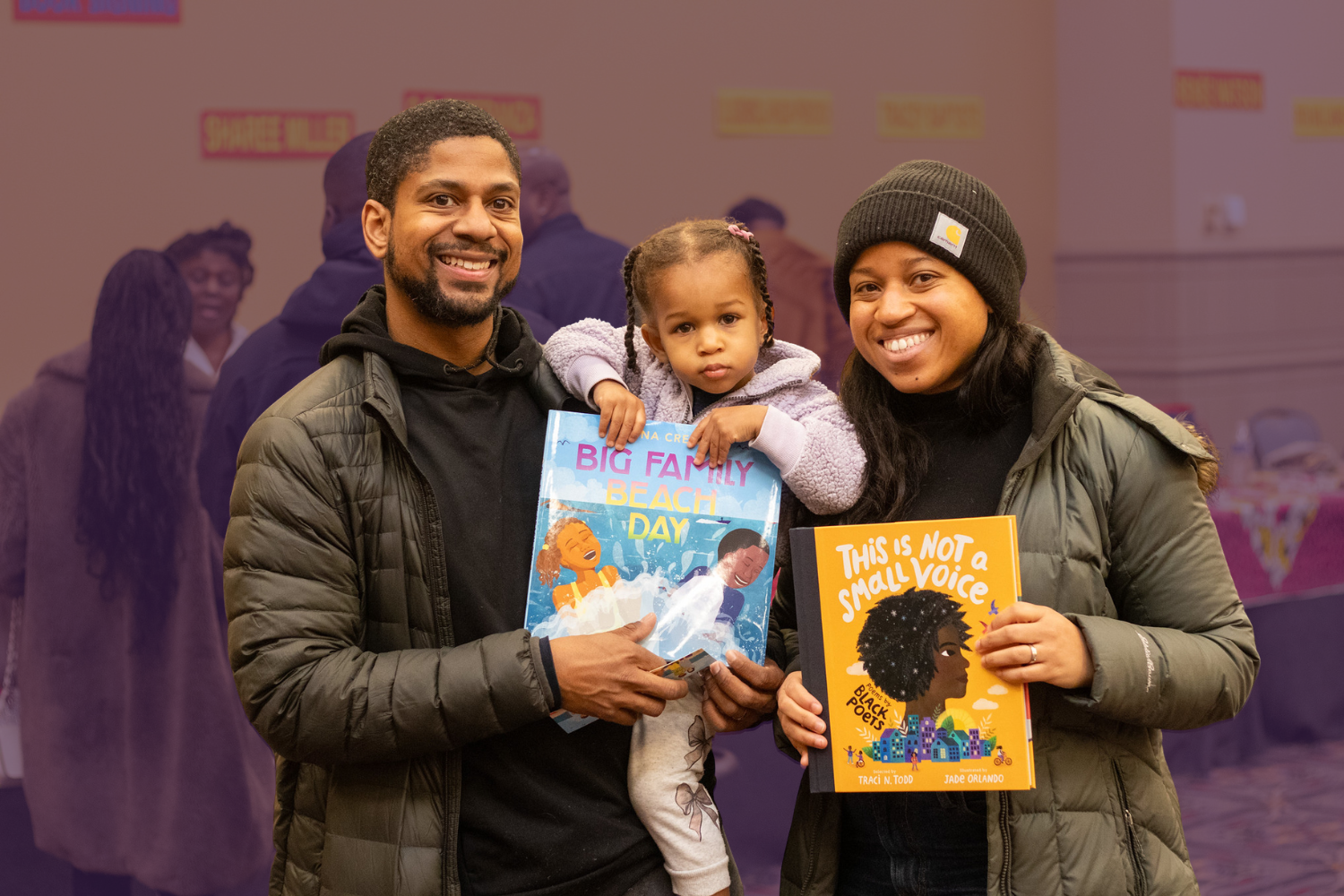
You’re tabling at a community event. A family walks by. You smile and say, "Want some free literacy stuff?" and hand them a bag loaded with flyers, tip sheets, and bookmarks.
The family nods, takes the bag, and walks away.
By Tuesday, that bag is at the bottom of a stroller, under a pile of laundry, or in the trash.
It’s not because parents and caregivers don’t care.
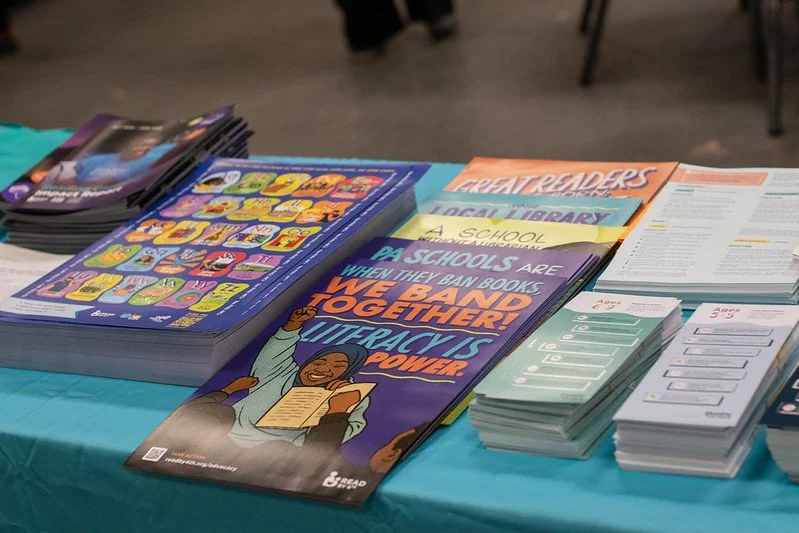
Families care deeply about reading and their children’s success. But they’re busy. Really busy. They’re juggling work, meals, appointments, older siblings, younger siblings, and life. Literacy matters, but so does everything else competing for their attention.
If we want to help families increase positive literacy habits at home, we have to design for real life.
It’s easy to treat resource sharing like a delivery. And sometimes it is. But meaningful connection is what takes it to the next level. The content of your flyer isn’t what makes someone shift their behavior; it’s how they feel in the 45 seconds they’re standing in front of you.
The materials aren’t the only message. You are!
So, let's talk about the handout handoff. Because it's one of the most underestimated moments in family engagement.
What a Great Handout Handoff Looks Like
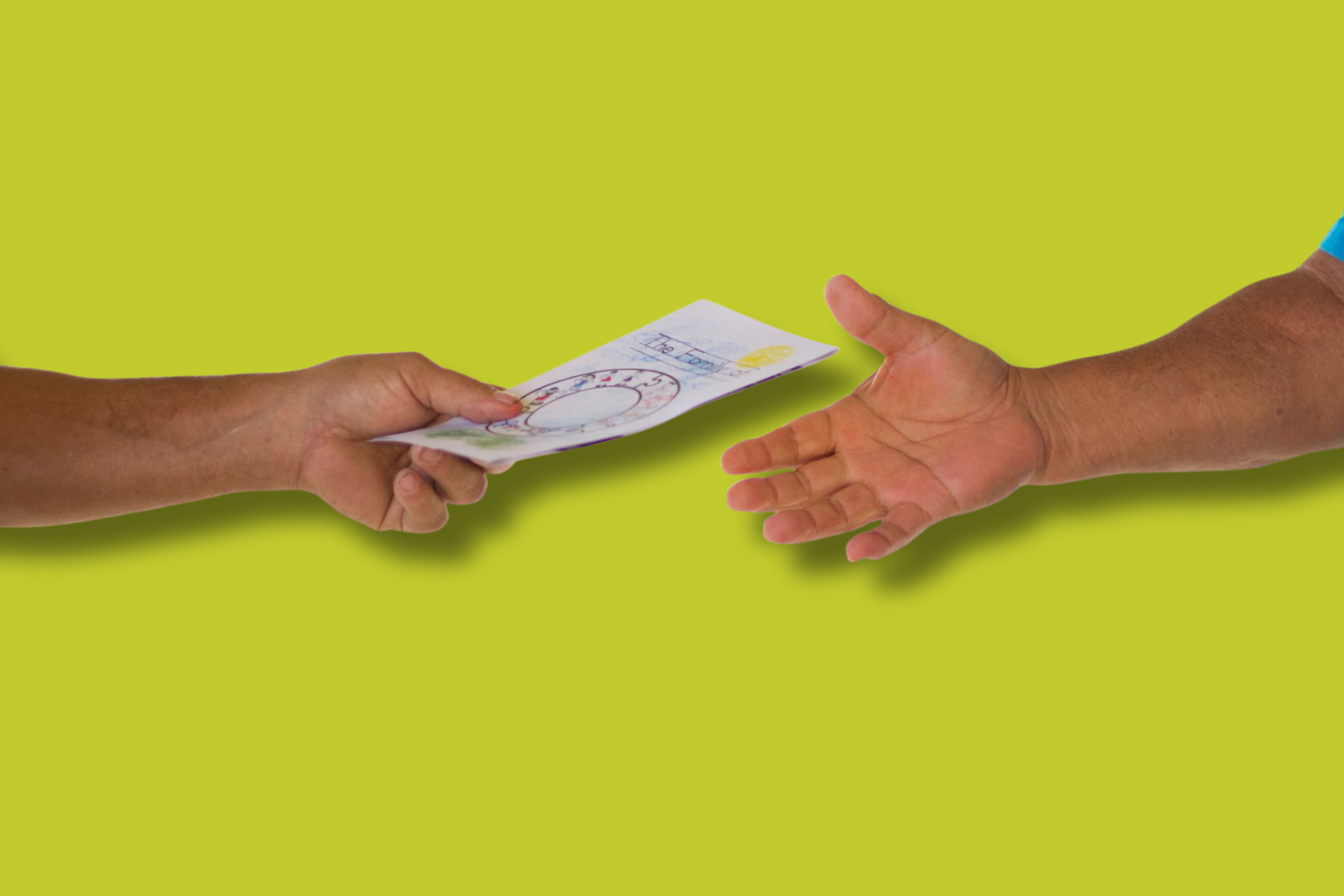
A great handoff isn't just about the perfect bag of resources or a polished pitch. It's a moment of genuine connection that meets families where they are, inspires them, and sends them home ready to act. The reality? You often only have about 45 seconds to do all of that.
Here’s what works:
1. Open with something unexpected.
As humans, our brains are wired to tune out the predictable. "Want some free resources?" is easy to walk past because it's exactly what people expect at a community table. Surprise them instead. Try a counterintuitive question like "What's your trick for getting kids to sit still for a book?" Or lead with a statistic that makes them rethink what they know. Even small surprises help people lean into a conversation.
2. Ask for their wisdom before you share yours.
“What’s working for you at home?” is more powerful than “Here’s what you should do.” When you ask families for advice, you signal that you believe in them. And when people feel believed in, they start to believe in themselves. They also begin imagining concrete ways to take action in a way that leads to follow through.
3. Give one clear reason this matters. Not ten. One.
This might be counterintuitive. When we want to make the strongest possible case, we tend to pile on evidence. But too many messages cancel each other out. People remember one thing or nothing. Especially when time is short. So stick to your strongest point.
4. Give them something to do tonight.
Immediate, doable actions are key. Not someday, tonight. The more specific, the better. Bonus points if you demonstrate it: show them how to play a quick reading game, flip through the tip sheet, model a read-aloud. Abstract advice easily evaporates. A physical demonstration creates a memory. And the more vividly someone can picture themselves doing something, the more likely they actually will.
5. Be real, not rehearsed.
Families can sense a script. Once you know your talking points, lead with what excites you about this work. Your curiosity, your stories, your enthusiasm. These all radiate a genuine energy that draws people in and makes them want to hear what you’ve got to say.
6. Let the bag be the follow-up, not the introduction.
The conversation comes first. The resources are the next step. It can be a mindset shift, but handing out stuff isn’t the real reason you’re at the table. Handouts are a cue to remember the tips you shared and practice them.

Mini Scripts to Try
You don't need to memorize a speech. You just need a few go-to lines that feel natural. Here are some examples to get you started. Remix them and make them yours.
When a parent walks up with a young child:
"How old is your little one? Oh perfect! This is exactly the age where reading together every day makes the biggest difference. Even 10-15 minutes a night. We've got a tip sheet right here with ways to make it fun. You don't need to be a teacher, you just gotta be present. Can I show you real quick?"
When someone grabs a flyer but seems like they're about to keep it moving:
"Before you go, can I tell you the one thing on that sheet that actually changes how kids learn to read? It's on the back. It takes 30 seconds."
(Flip it over and point to one specific tip. Make it real.)
When a caregiver says, "Oh yeah, we read all the time":
"That's amazing! You're already doing the work. Did you know kids who are read to every day are way more likely to be reading on grade level by third grade? You're setting them up. This has some ways to take it even further. You're already halfway there."
When someone seems hesitant or rushed:
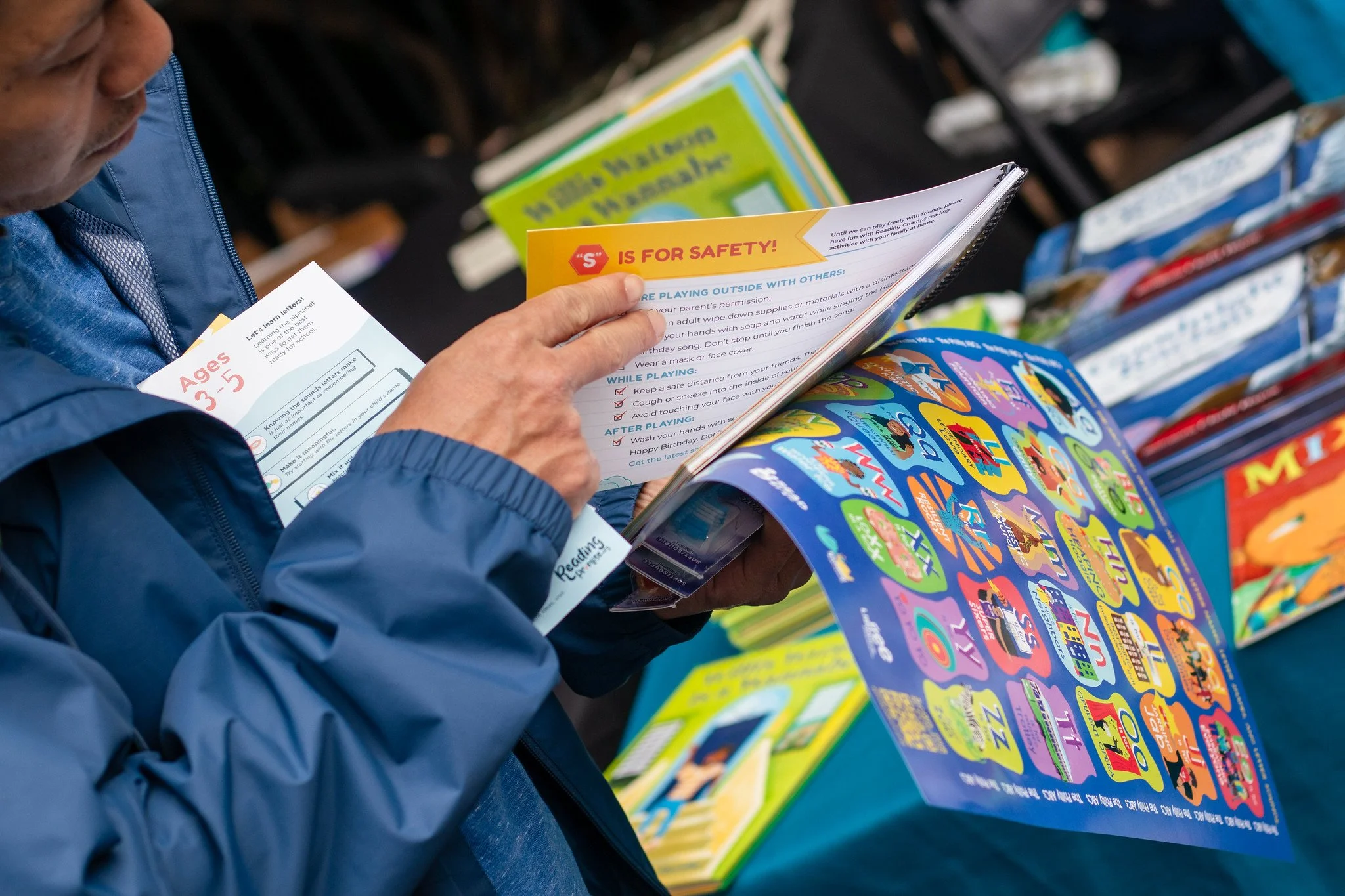
"I'll make it quick. Two out of three Philly kids aren't reading at grade level by fourth grade. And it’s not because they aren’t smart. It’s because the system isn’t giving them what they need to succeed. But we can change this. This advocacy poster links to more information at readby4th.org. Worth a five-minute look. And if you like it, hang it up!"
Always end with one clear next step:
"When's the last time you’ve been to your local library? You can check out way more than books — streaming services, bird-watching equipment, even instruments. Stop by anytime to sign up for a library card!”
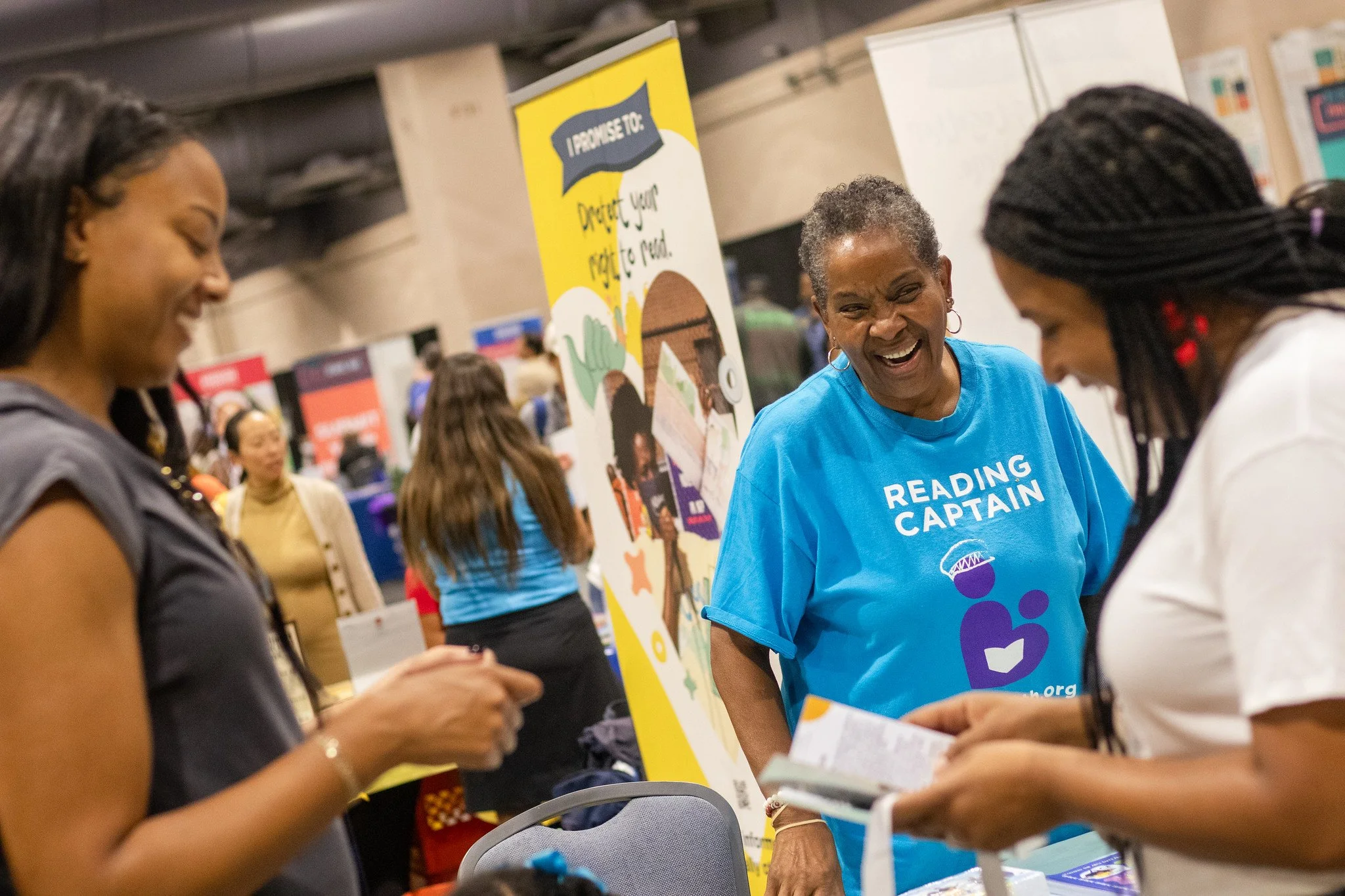
The flyers matter. The books matter. But your real, human-to-human conversations? How you make parents and caregivers feel? That’s what turns a resource into a life-changing literacy habit.
So next time you’re at that table, don’t just hand over a handout.
Say something worth repeating.