Phonics gets kids reading, unconstrained skills help them make meaning
We often talk about books opening new worlds, but the world around us helps us understand what's on the page.
The Science of Reading has never been only about phonics. Comprehension, vocabulary, and background knowledge have always been part of the picture. The question is whether we're giving those skills the same weight and urgency we give decoding.
At Read by 4th’s latest Lunch & Learn, Munro Richardson, Ph.D., Executive Director of Read Charlotte and researcher behind Unconstrained Kids, challenged us to look beyond decoding when we talk about literacy. Drawing on two decades of federal data, Richardson shows how gaps in knowledge, vocabulary, and language development shape students’ reading outcomes and why they deserve far more attention in the push to improve literacy.
Missed this Lunch & Learn? Watch the full conversation below.
Kids need two kinds of reading skills. The data shows we're only closing the gap on one.
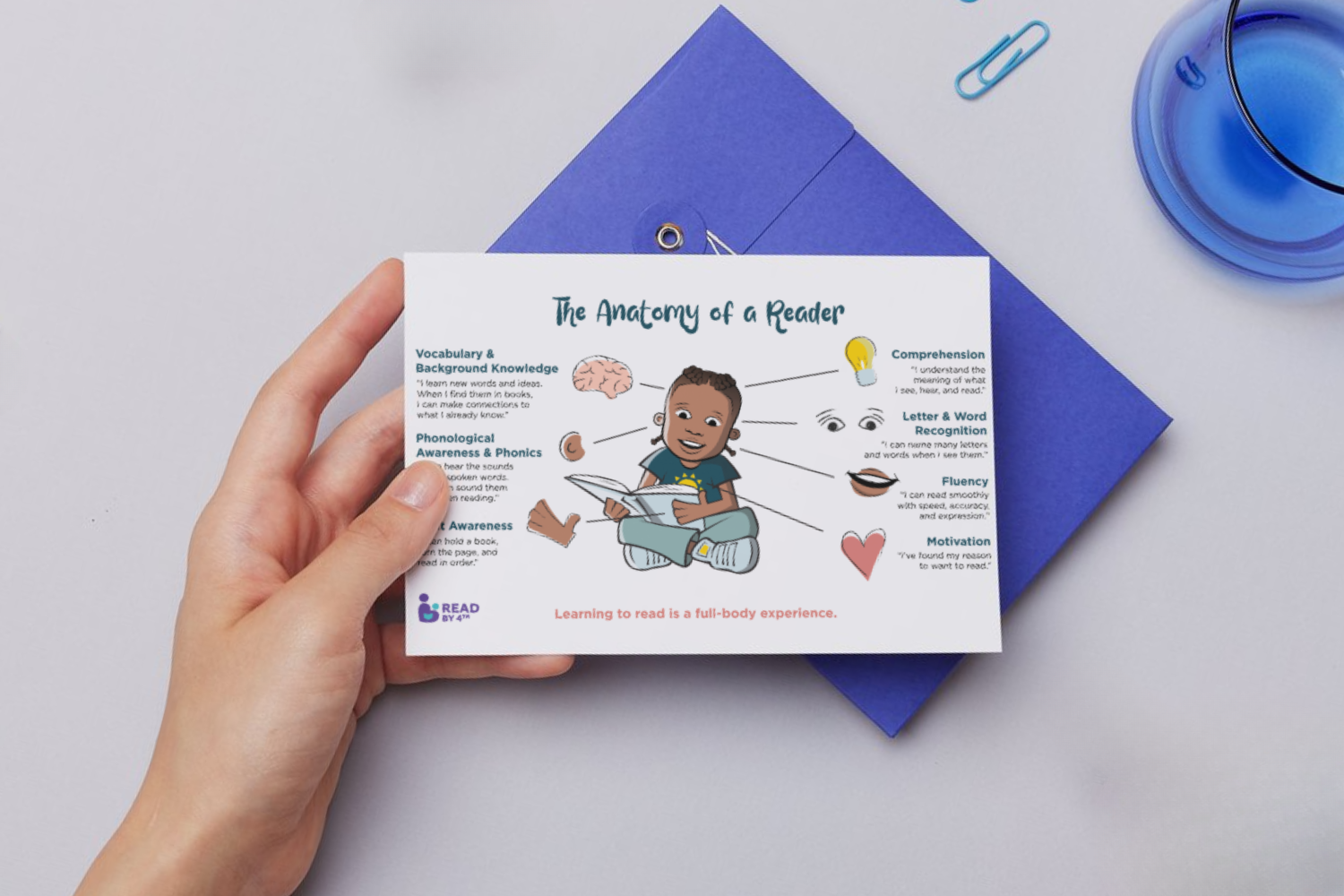
Some reading skills have a finish line. Kids learn their letters. They learn phonics. They learn to decode words. Once they've got it, they've got it.
Richardson calls these constrained skills.
Then there's everything else: vocabulary, background knowledge, language, and executive function, the ability to focus, hold information, and think flexibly. These skills never stop growing. There's no finish line, because the ceiling keeps moving.
Richardson calls these unconstrained skills.
"I don't think it's either-or. It needs to be both." Richardson says.
Why the gap widens as reading gets harder
Richardson's research shows that gaps in foundational literacy skills, the constrained ones, tend to narrow with good instruction. But when reading starts to demand background knowledge, vocabulary, inference, and complex thinking, the pattern reverses. The gap grows.
Teaching kids to decode words is necessary. It's just not sufficient on its own. Children also need repeated chances to learn about the world, encounter new language, ask questions, solve problems, and connect ideas. That’s different work from a phonics lesson, and Richardson’s research suggests we haven’t given it the same attention.
What happens in the other 90 hours?
Children spend only a small fraction of their week in school. Richardson calls everything else the 90-hour-a-week challenge.
That's not a call to turn family time into school time. It's closer to the opposite.
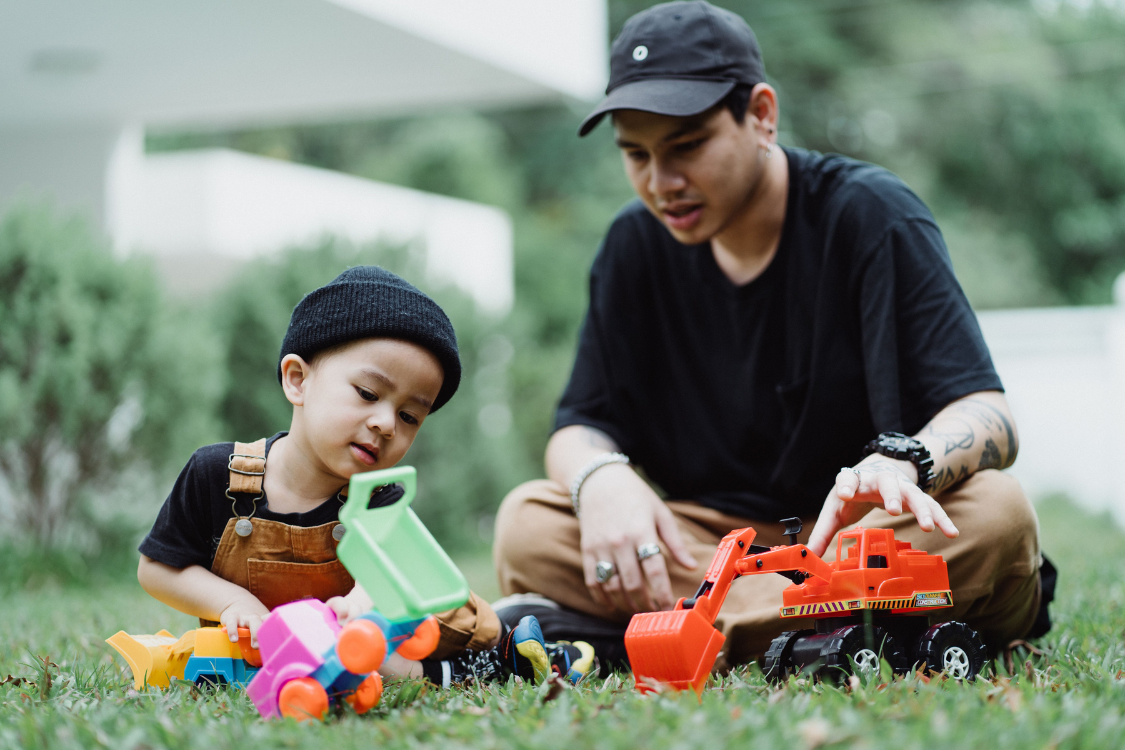
A conversation on the way to the grocery store. A trip to the library. A walk through the neighborhood. Talking about types of trucks while playing with toys. Debating why a character in a story made the choice they made. These small, everyday moments can be used to build knowledge, language, and thinking skills kids bring back to the page.
Closing the reading gap isn't about giving families more to do. It's about helping them see what's already there.
Richardson doesn't have a 10-step family playbook and he says he wants to learn more from the people already working alongside families. But his research points us toward a useful question: How can we help families see the learning opportunities already built into everyday life?
It's easy to say that learning is everywhere. It's harder to spot those opportunities in the moment, especially when you're overwhelmed, overworked, or just tired. That's true for parents, and it's just as true for many of the practitioners working alongside them.
So the job, for all of us, has two parts: help families spot the opportunities already in front of them, and build environments that spark curiosity and deep thinking for every child, in every neighborhood.