Good things happen when Philly's literacy community gets together.
On October 8, 2026, Read by 4th partners from across the city gathered at Temple University's Mitten Hall. Familiar faces reunited. New connections were made. Ideas were exchanged. And the people working every day to help Philly's children become strong readers had a chance to strengthen the community that fuels this work.
The evening kicked off with remarks from Dr. Debora Borges-Carrera, Chief Education Officer for the City of Philadelphia, setting the stage for a night centered on partnership.
This year's big conversation? High-impact tutoring.
And for good reason. In a recent New York Times ranking of 30 ideas for improving America's schools, education experts ranked small-group tutoring No. 1 for potential to turn schools around. The Science of Reading came in a close second.
But here's the thing, not all tutoring is created equal.
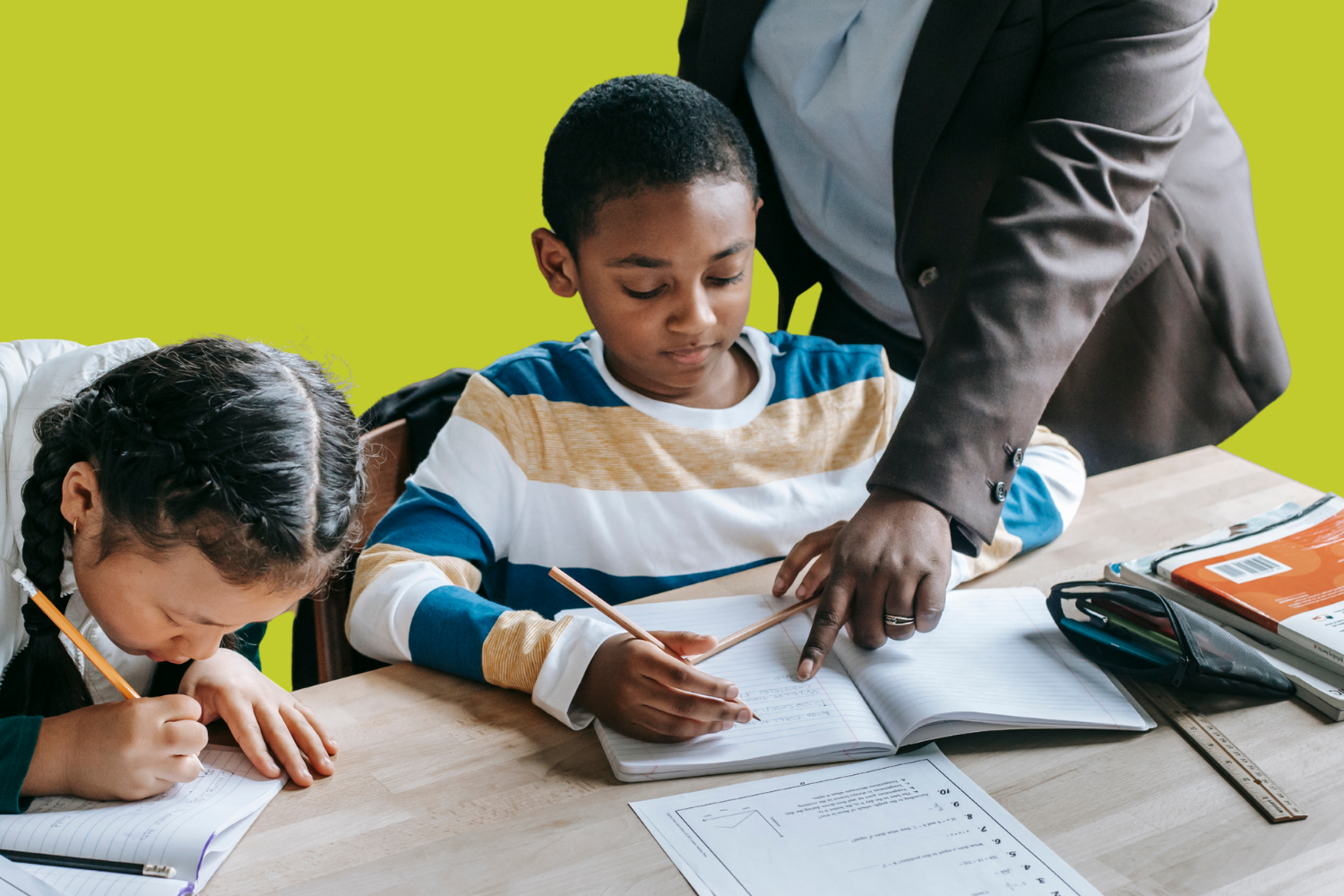
The difference is in the details. Small groups. Trained tutors. Frequent sessions. Evidence-based instruction. And consistent relationships that help children feel seen, supported, and ready to learn.
So what does it take to make tutoring work? And how do we bring it to more Philly kids?
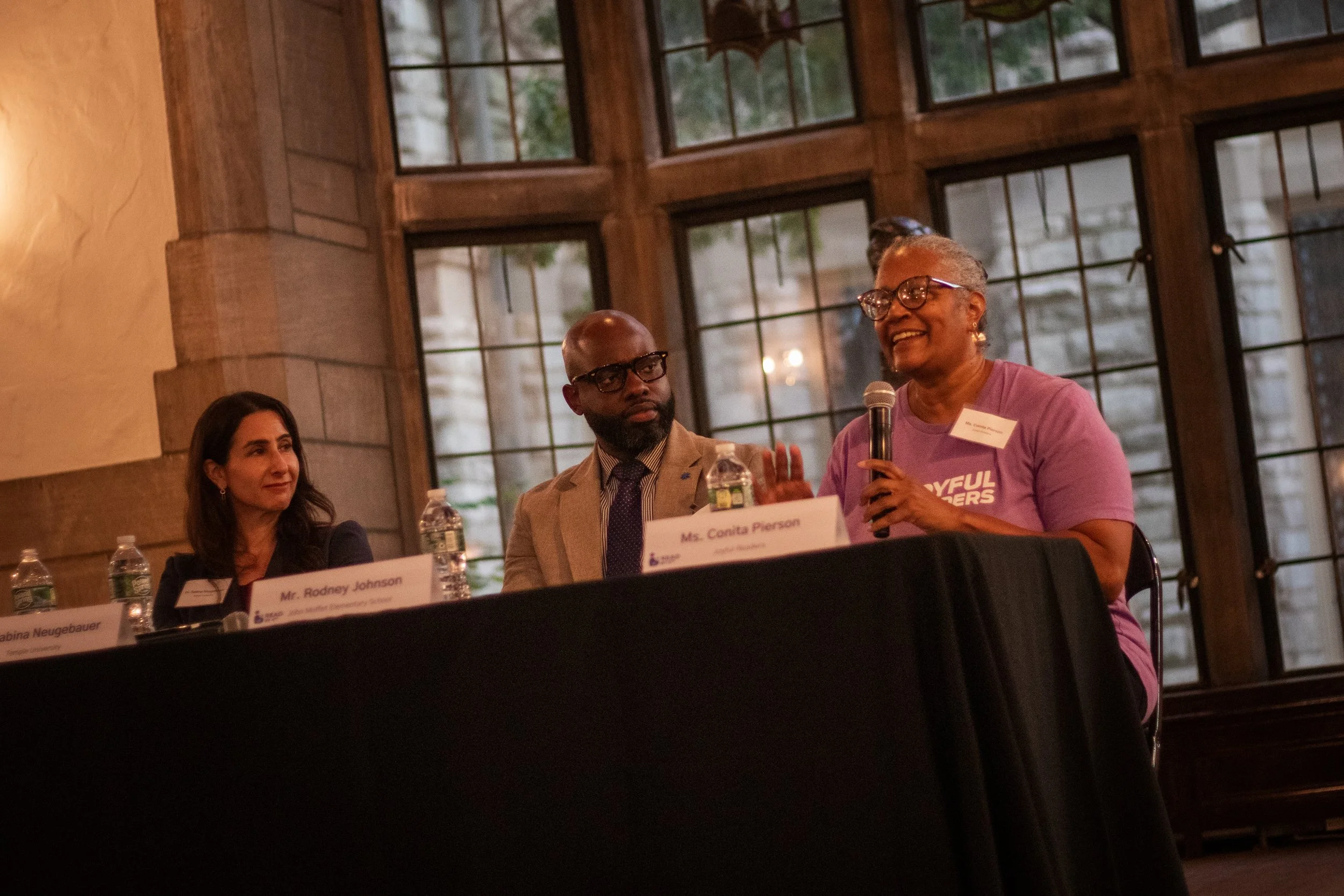
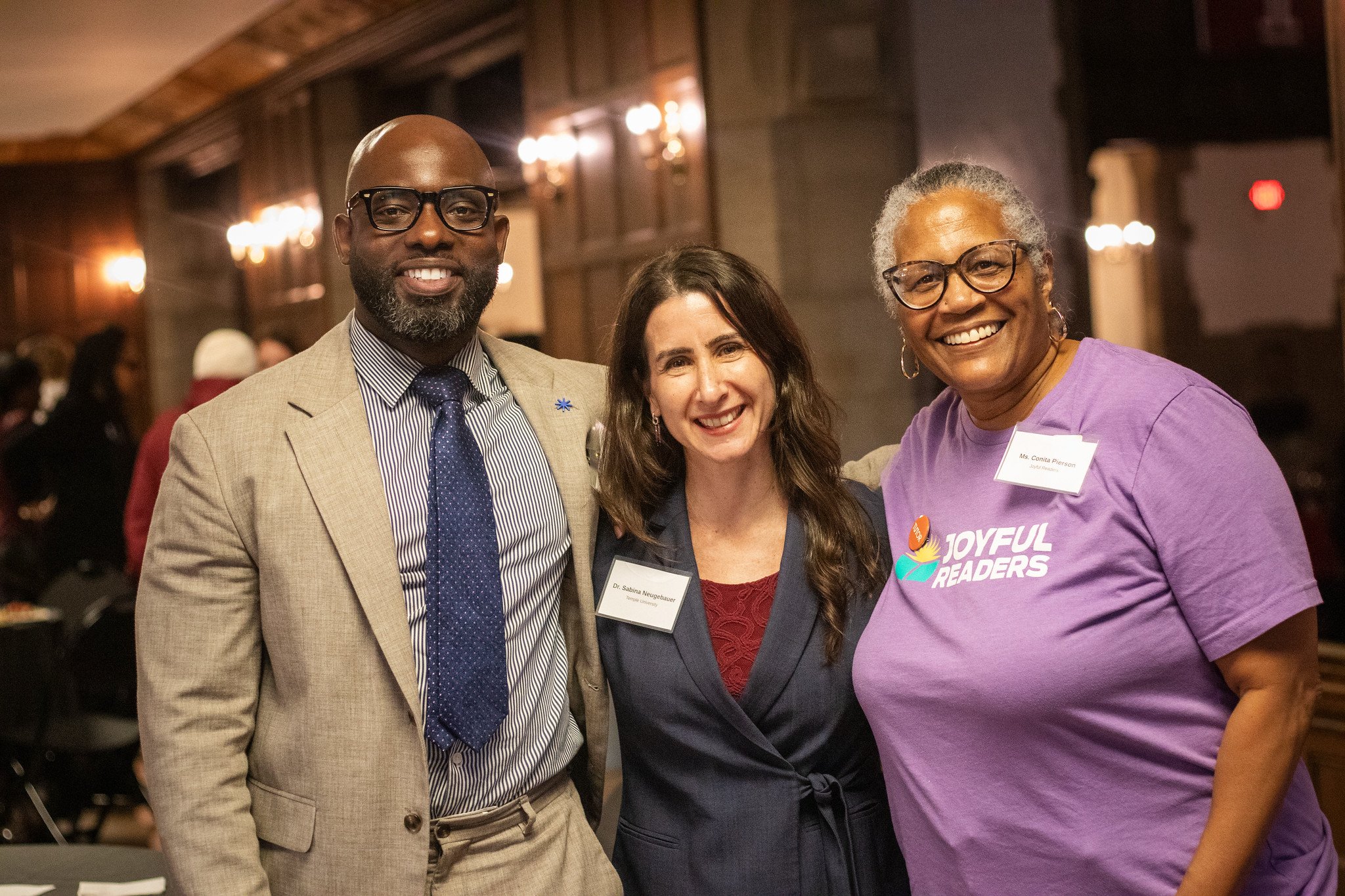
We brought together three people who know the work from different angles:
Rodney Johnson, Principal of Moffet Elementary School, bringing the perspective of schools and the students they serve.
Conita Pierson, Senior Tutor at Joyful Readers, sharing what it takes to build young readers' skills and confidence.
Dr. Sabina Neugebauer, Associate Professor of Literacy at Temple University, bringing expertise in preparing future teachers.
The conversation explored what happens inside a tutoring session and what needs to happen outside of it. From preparing tutors to connecting tutoring with classroom instruction, one message stood out: Great tutoring takes more than a great tutor.
Conita Pierson reminded the room, expanding that support takes more than money (though we need sustainable funding for the sector too), it takes alignment:
“We need people to buy in, and not just funding the dollars, but understand and buy into the idea that every child has the right to learn how to read.”
Strong systems need strong partnerships. A belief at the heart of the Read by 4th movement.
The best part of the night? The people.
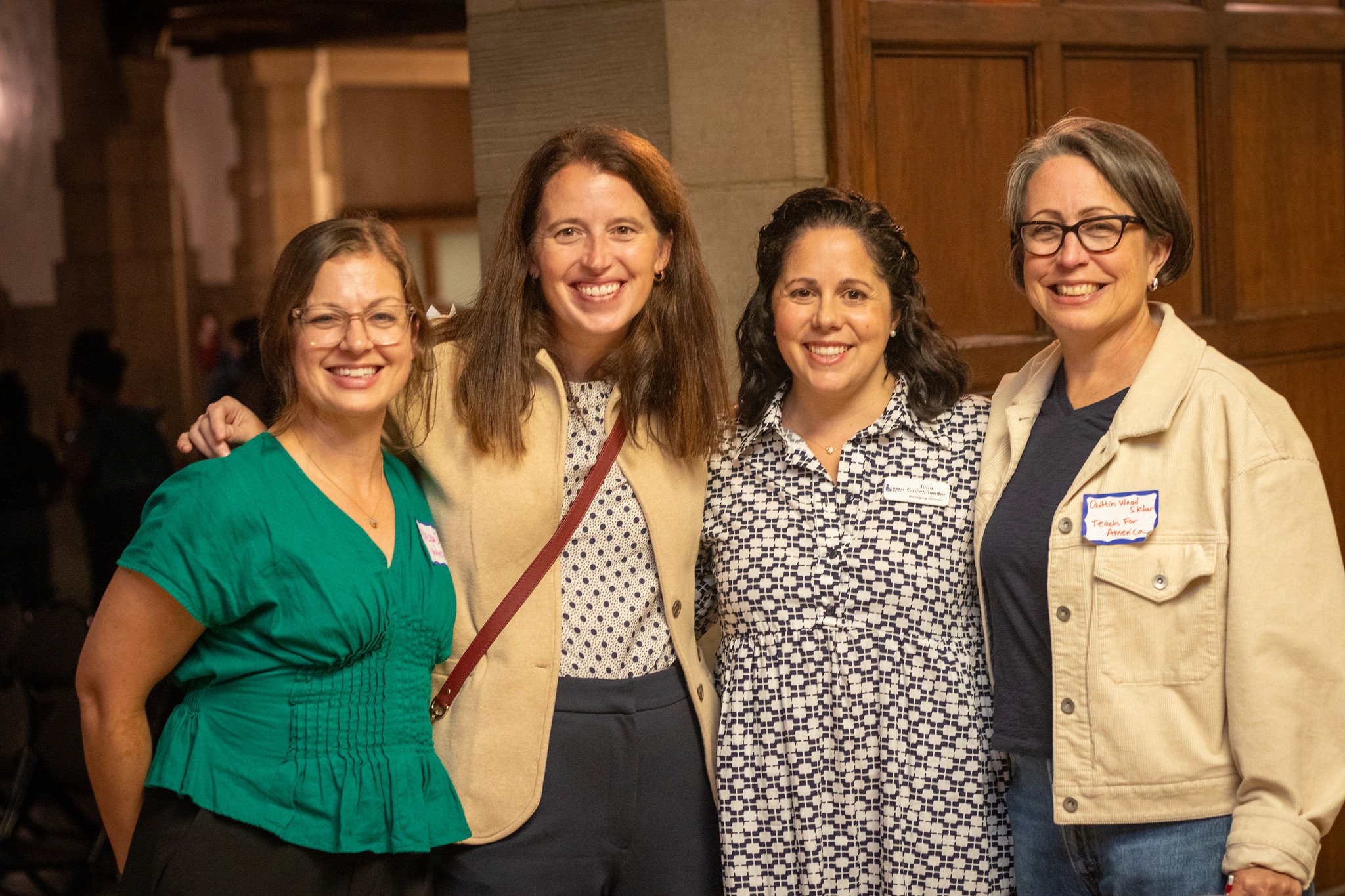
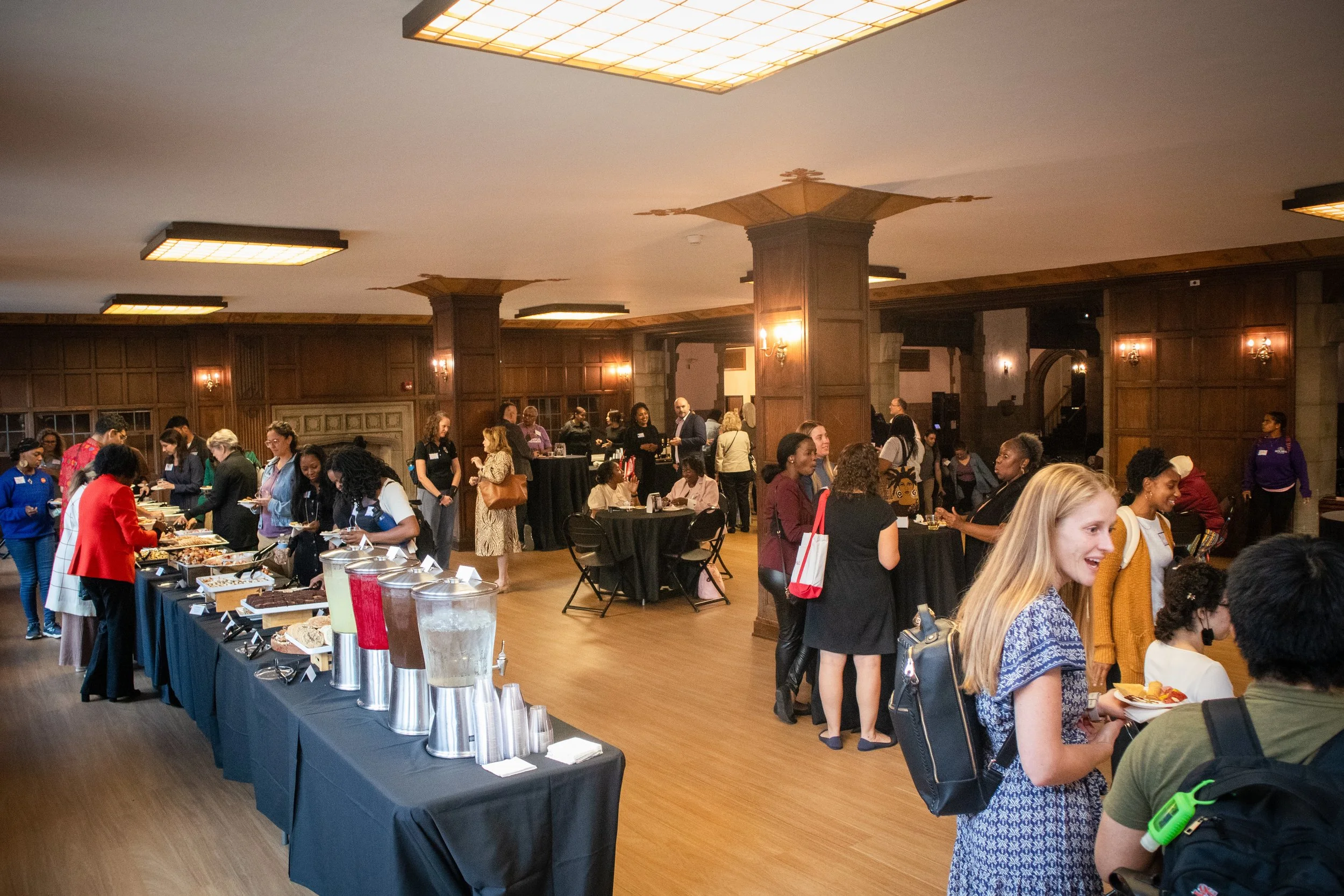
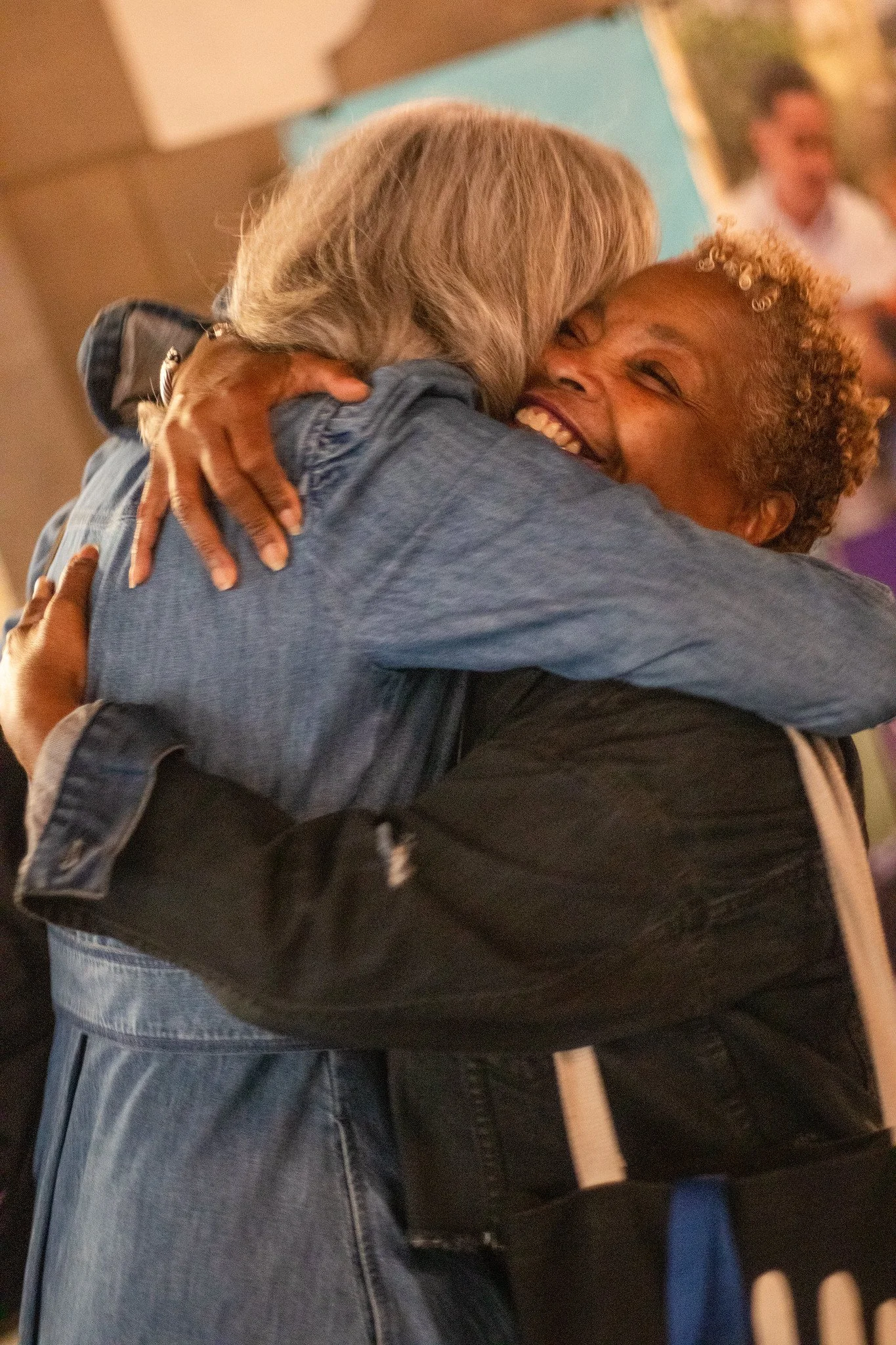
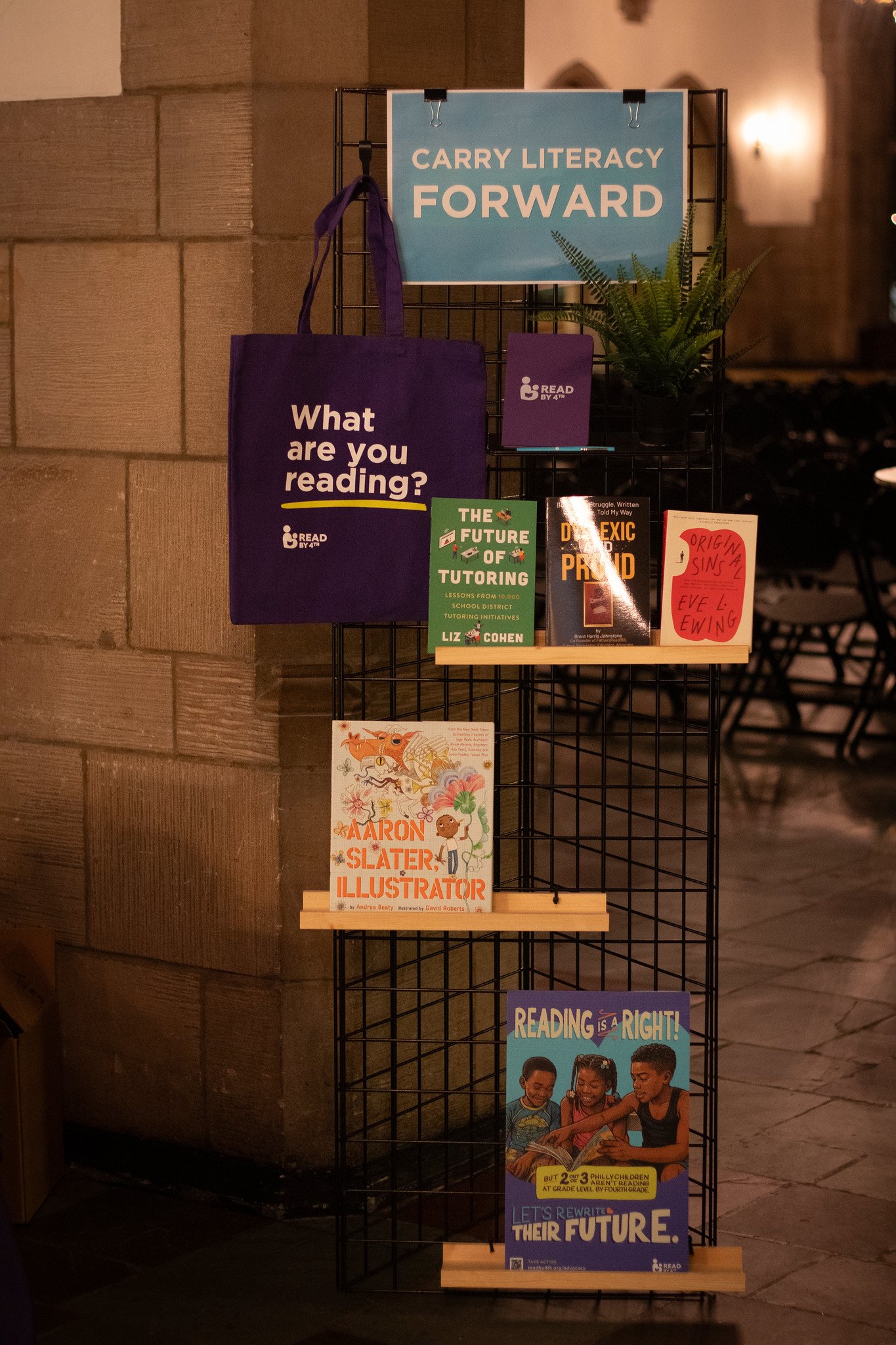
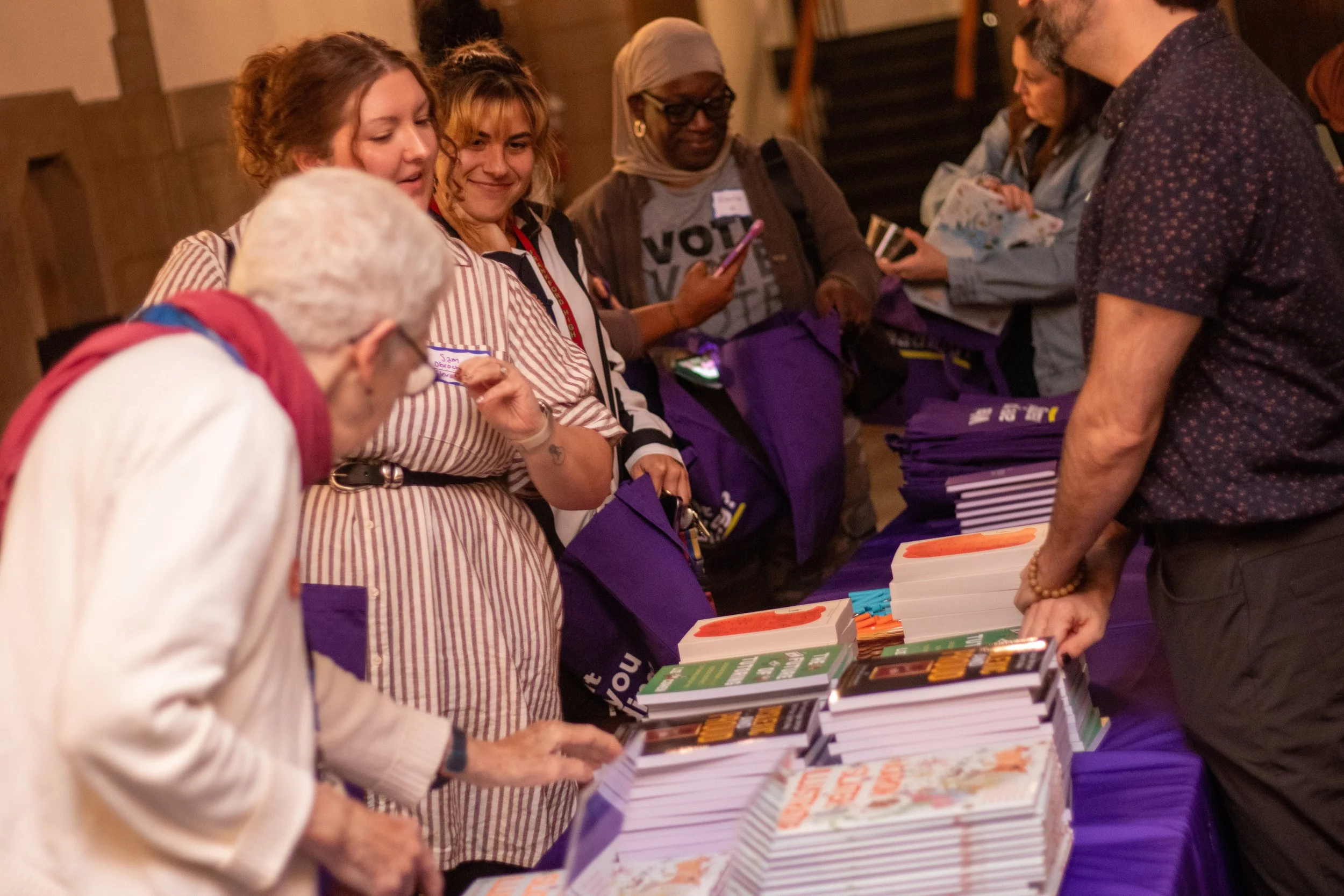
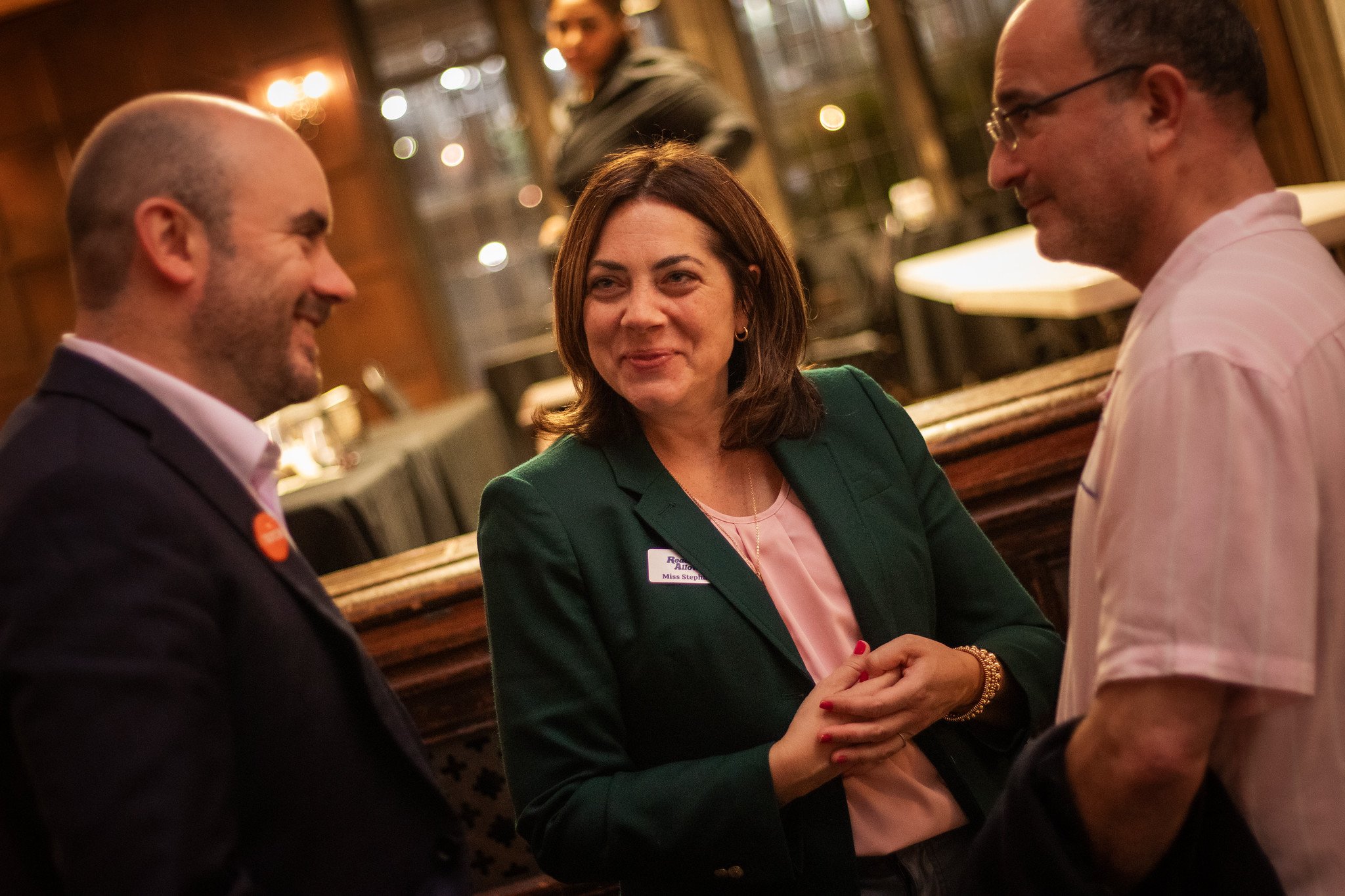
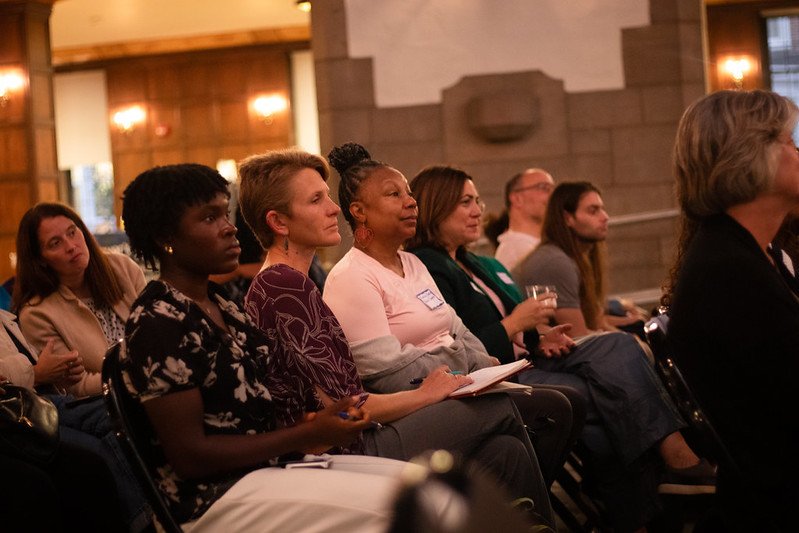
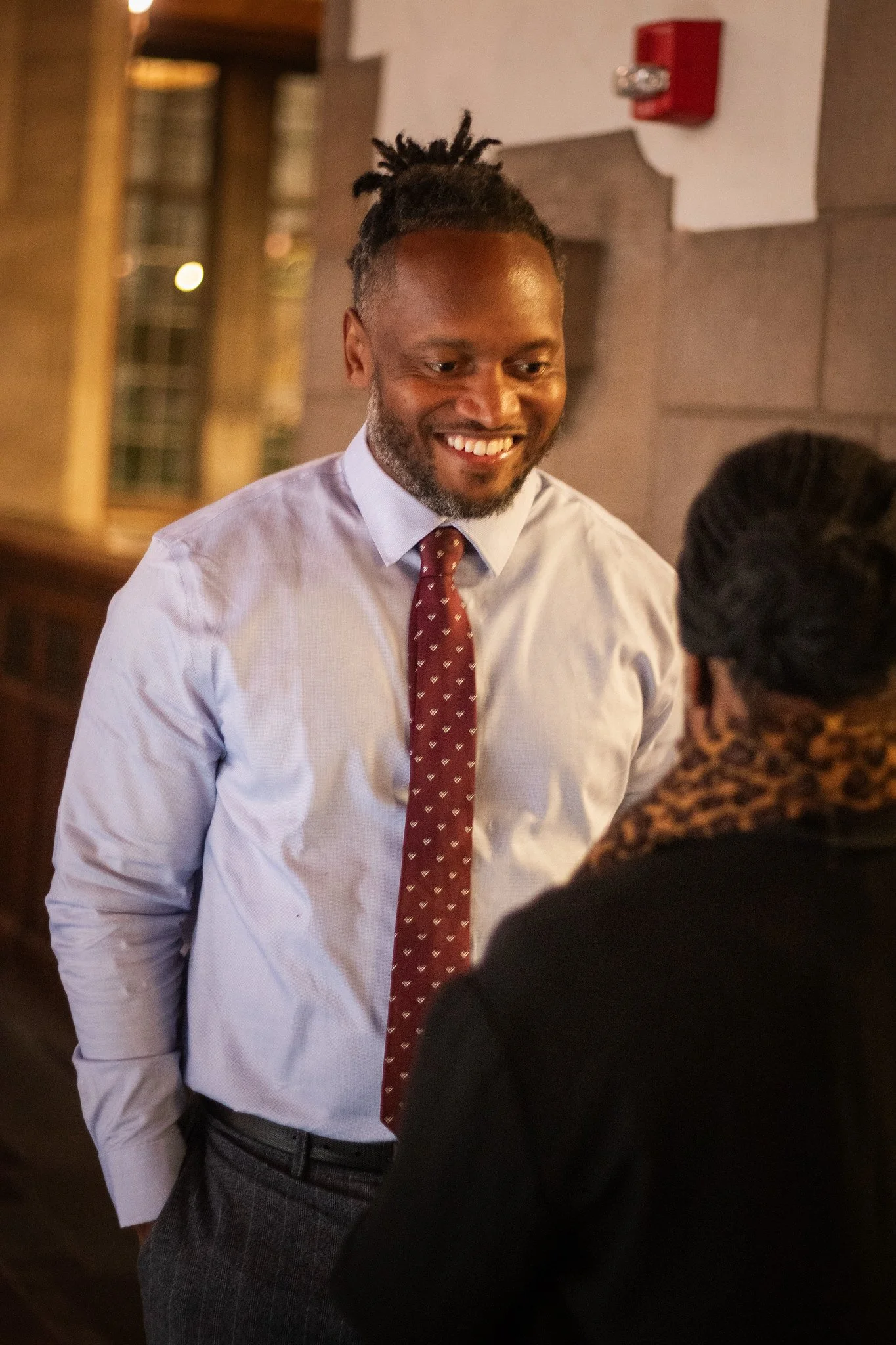
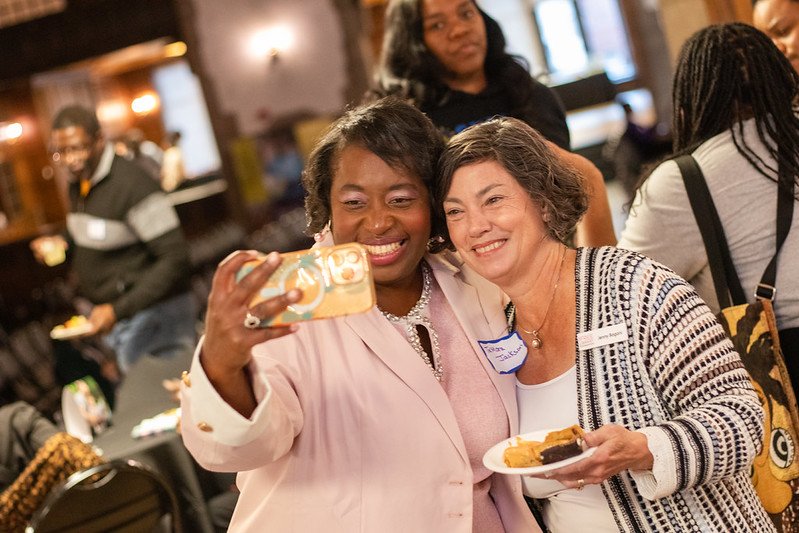
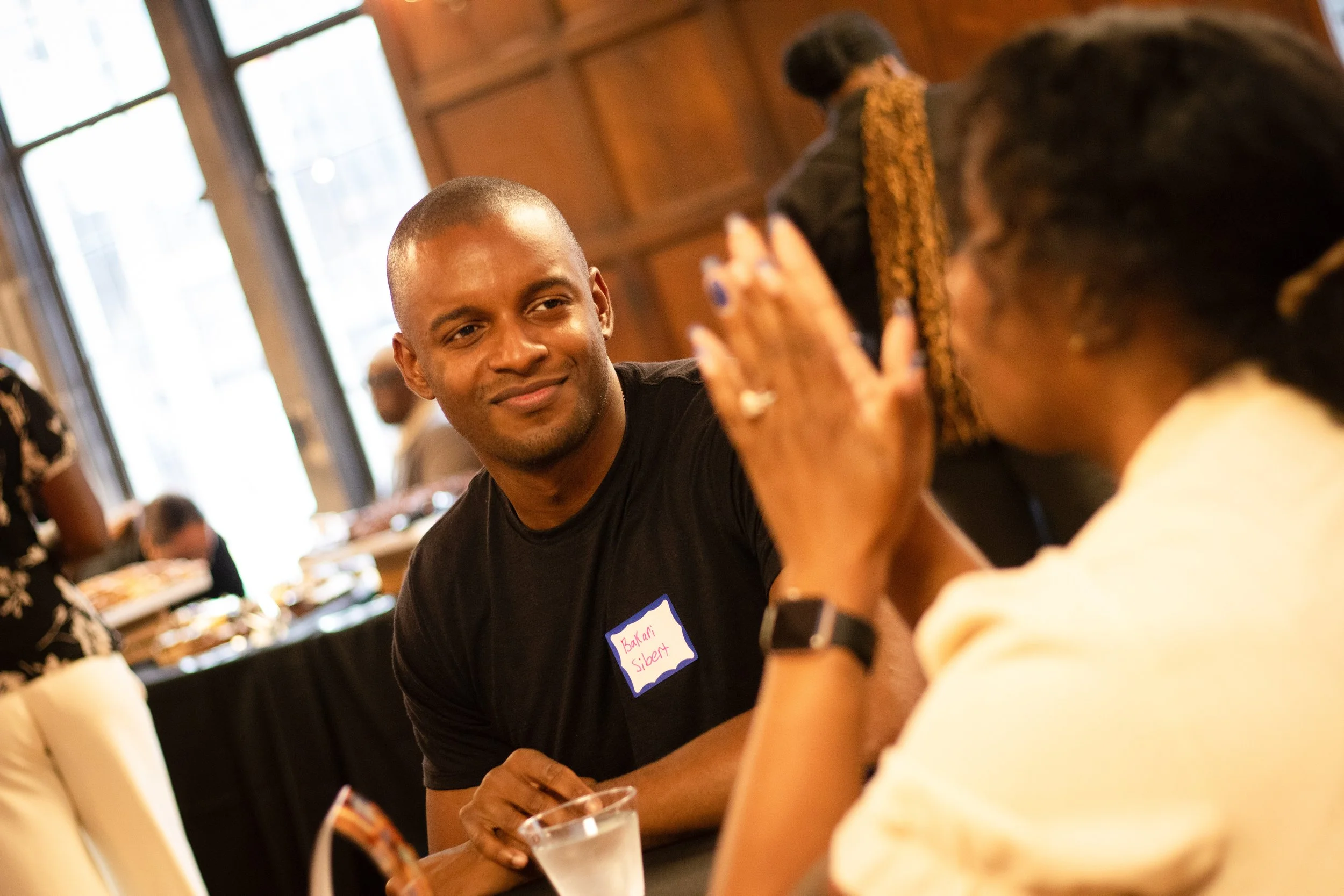
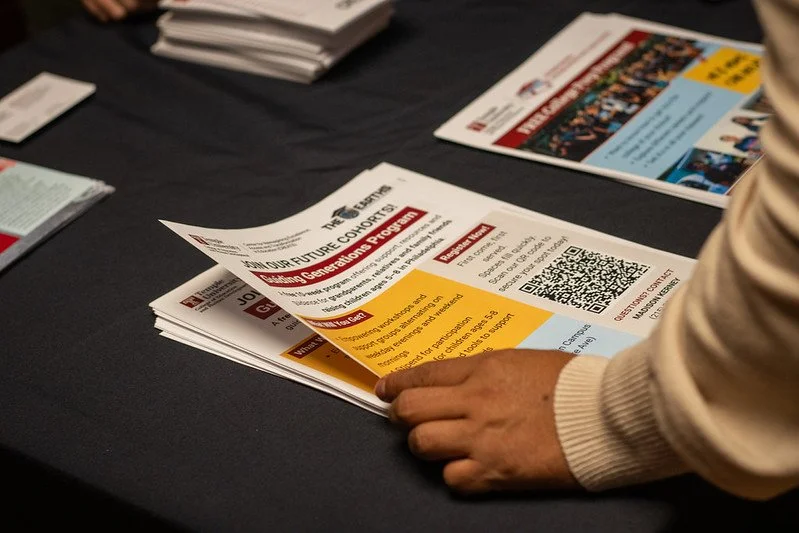
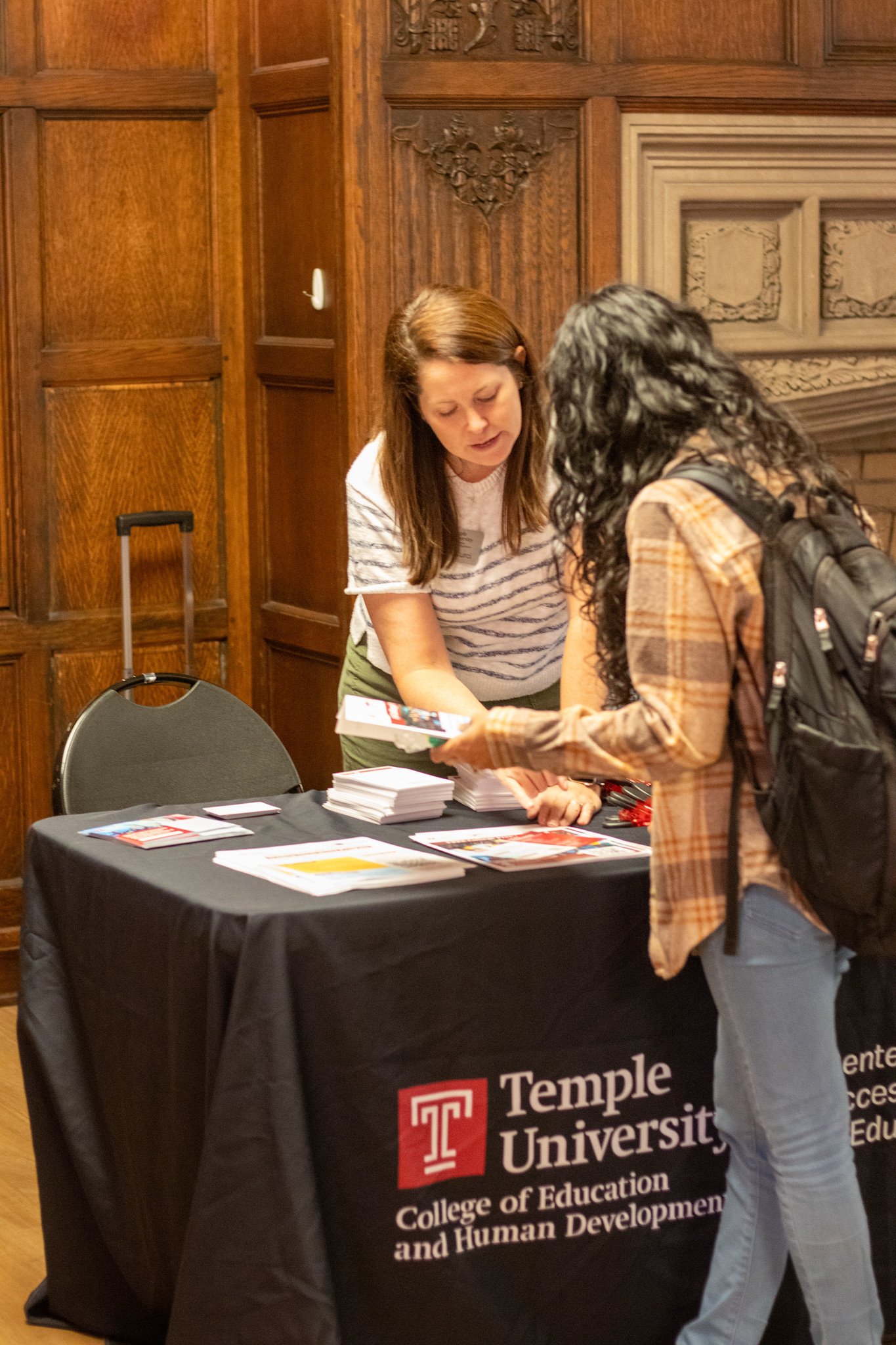
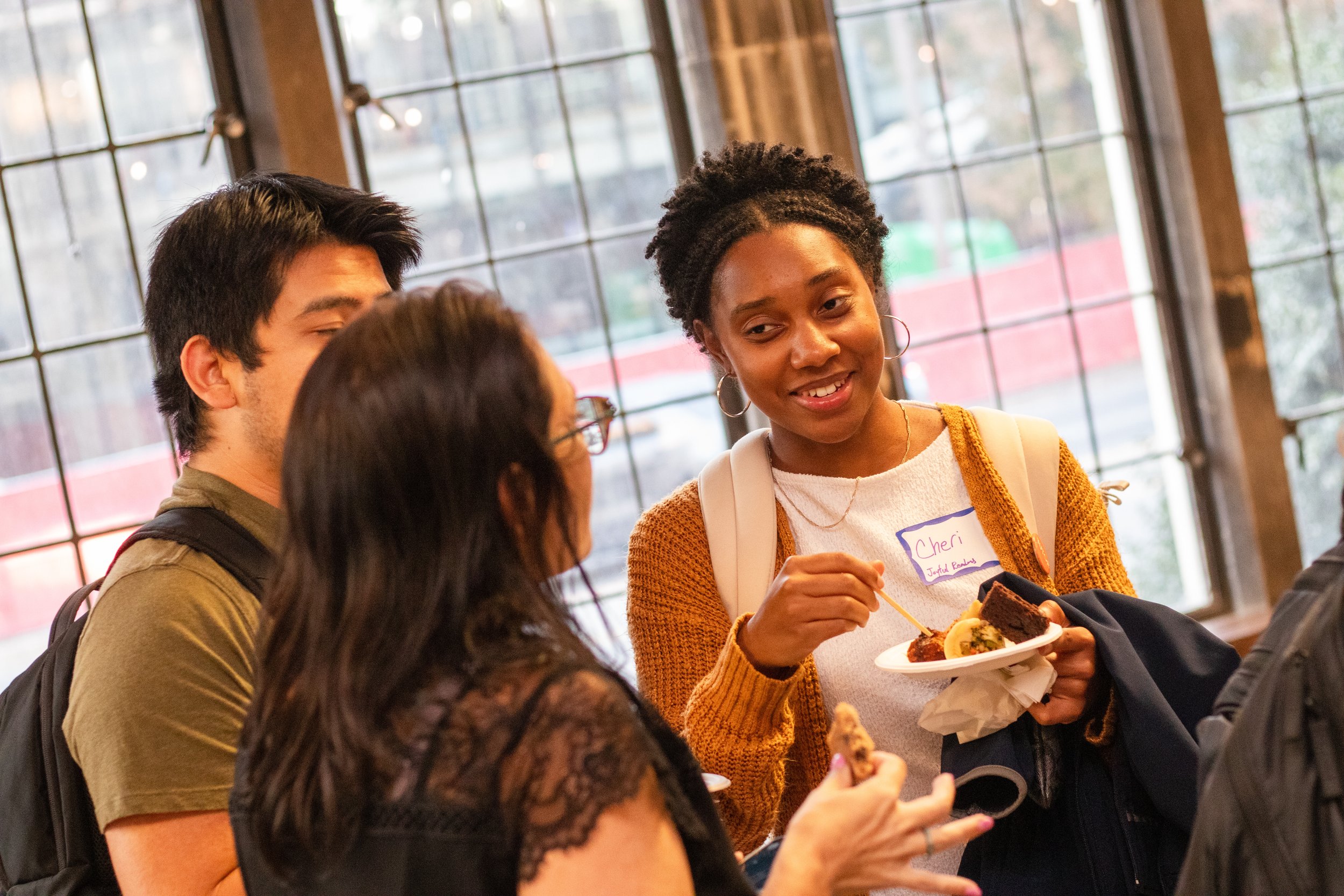
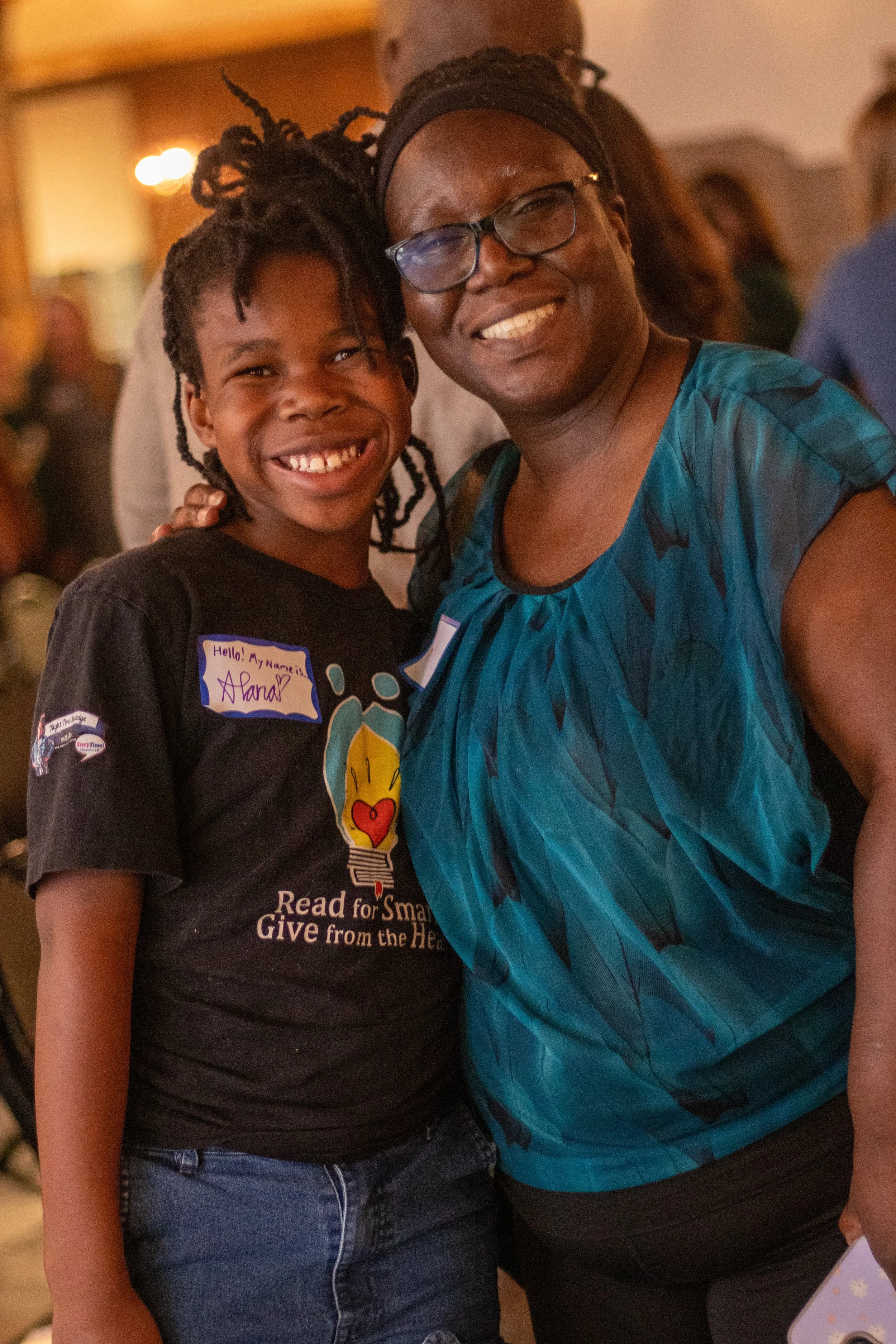

Of course, equally great conversations happened offstage.
Partners shared what they're working on, traded resources, and made connections that could spark the next great idea.
That's the magic of the Read by 4th movement. Whether you're an educator, Reading Captain, tutor, or funder, we share more than a commitment to literacy. We share a commitment to Philly's children, and to each other.
Because literacy is more than a skill a child learns. It's a choice a city makes. And every day, people across Philadelphia are making that choice together.
Our latest Impact Report captures some of what we've accomplished together over the past year. There's plenty to celebrate, and plenty more work ahead.
We're glad we've got each other.
Let's keep going.