Want more dads involved in literacy? Start by inviting them
Picture "family engagement" in your head. Be honest. Who'd you see?
Probably a mom. Reading on a couch, maybe, or checking a backpack for a permission slip. That's not an accident. It's a habit and mindset, baked into how a lot of literacy work gets built. And it's costing us.
At a recent Read by 4th Lunch & Learn, Philadelphia author and local literacy advocate John "Cousin John" Butler pushed us to picture something different: dads, grandfathers, uncles, coaches, big brothers, all in the frame. Not in the periphery, but as the main characters engaging children in reading.
The evidence is clear: dads change the story
Let's start here, raising kids was never supposed to be just a mom's job.
That idea, that childrearing is "women's work," is an old script. A leftover from gender norms that decided who does the feeding, the bedtime stories, the school pickups, long before anyone asked if it made sense. While we’ve made real progress pushing back, sometimes it still seeps through, in who's assumed to be the default parent in the room.
Dads are just as essential as moms when it comes to raising readers.
Children with involved fathers do better in reading, language, and school overall. That's not a hunch, it's what shows up again and again in the research. And this matters most for boys, who are still trailing girls in reading. One theory researchers keep circling back to: cultural cues quietly tell boys reading isn't "for them." A dad with a book in his hand argues otherwise.
Plenty of fathers are involved in literacy. But if we want more dads to show up, we have work to do to make room for them. Here's what that already looks like in Philly.
Dads Leading Literacy in Philly
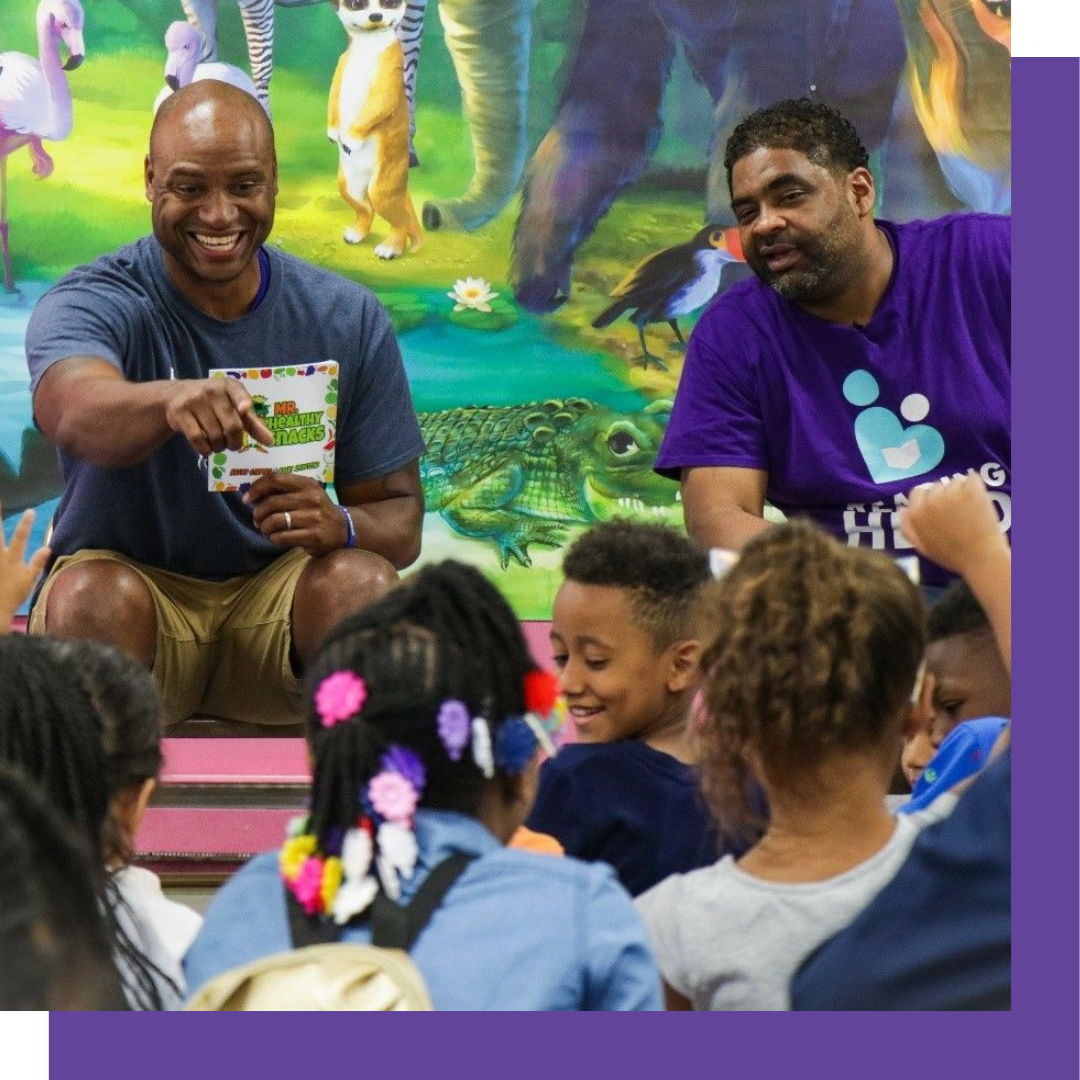
Akeiff Staples and Brent Johnstone provide inclusive literacy programming that puts dads front and center, every day.
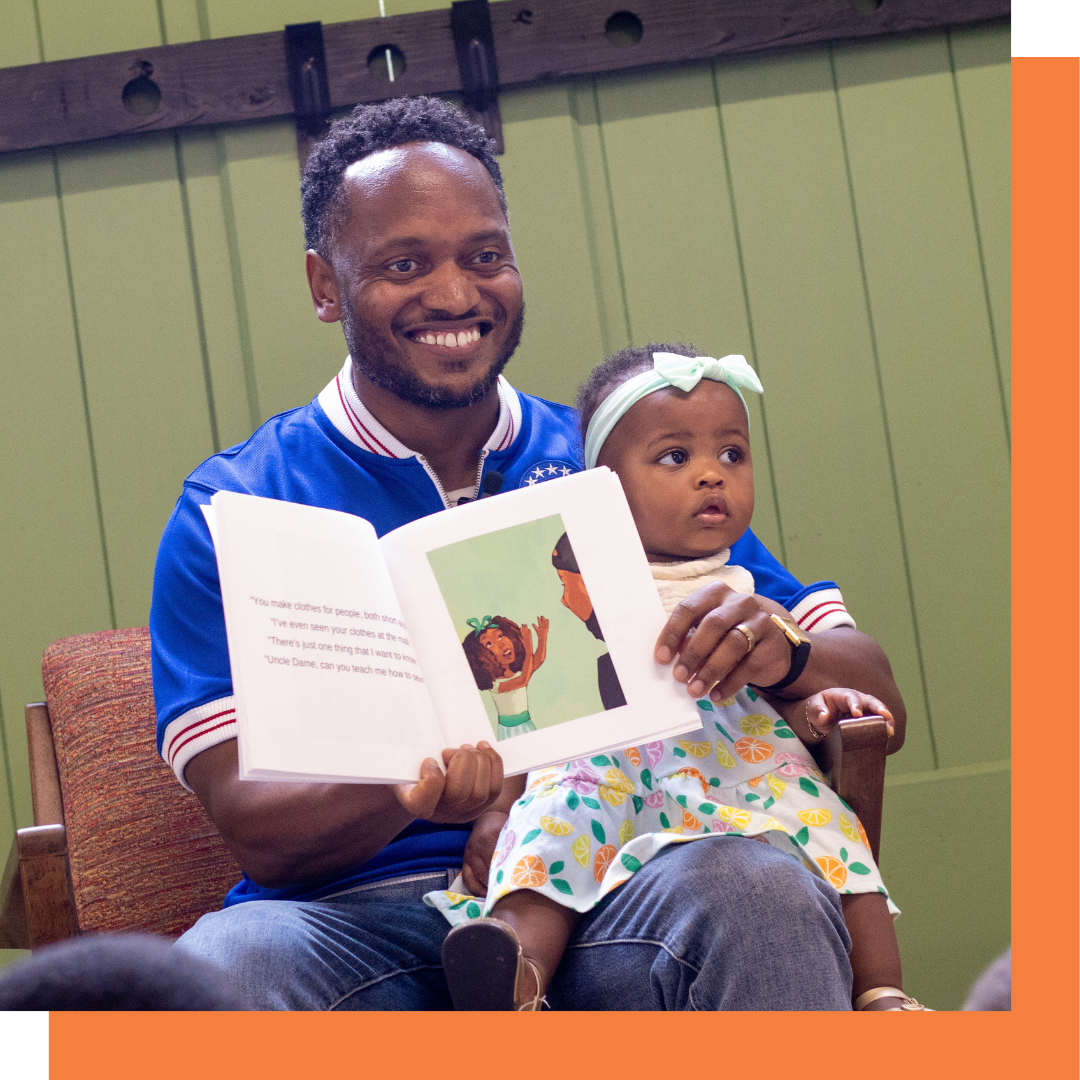
John Butler’s annual event taps the day we celebrate dads to celebrate literacy too.
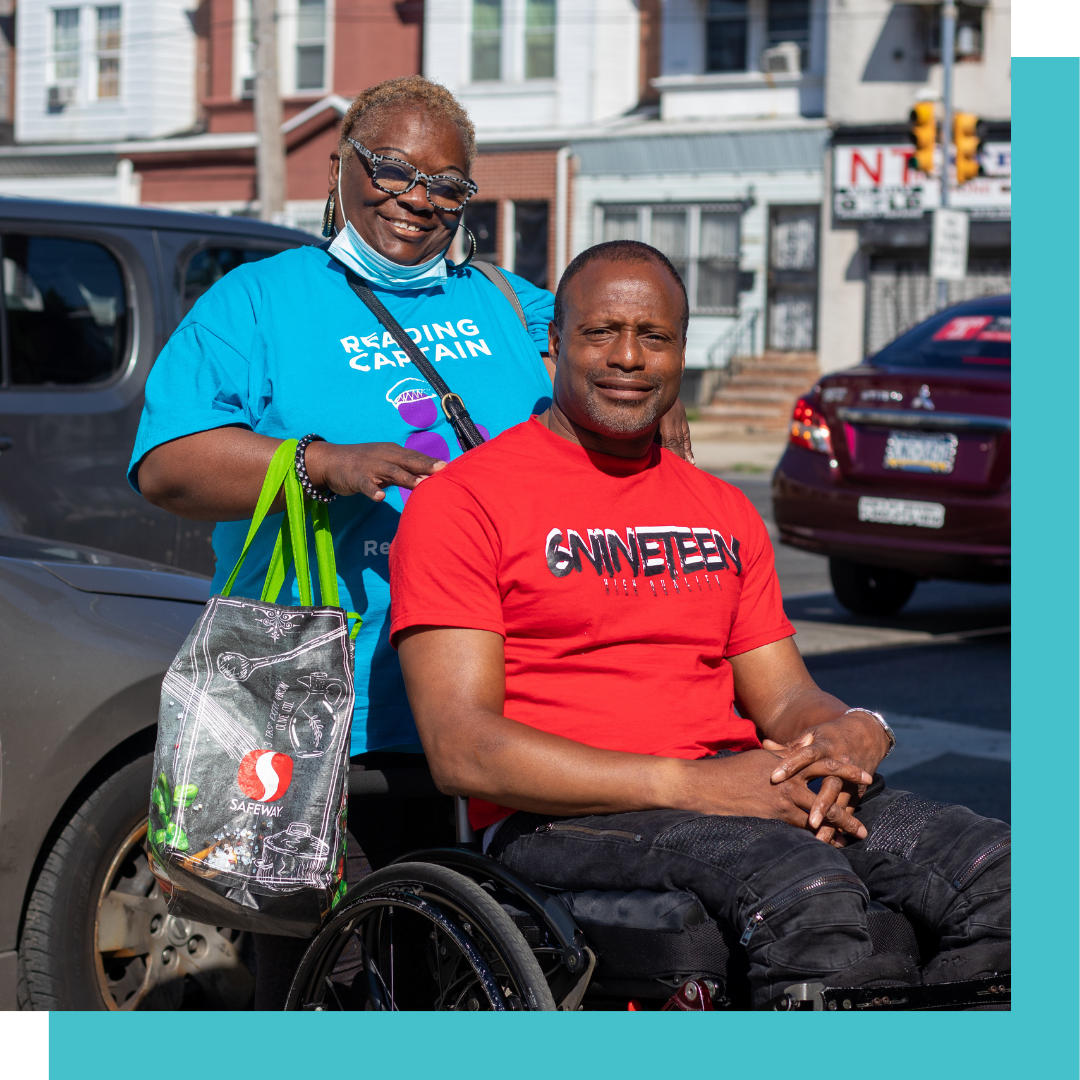
Dr. Jonathan Rashied Wilson Jr. regularly gives our free children's books in Southwest Philadelphia.
Start by Looking Around
One of the simplest ways to know whether your organization is welcoming to dads? Look at your own materials.
Are men and father figures represented in your flyers, social media, newsletters, and website? Do your events feel like they're designed with them in mind? Or does "family engagement" quietly mean "mom engagement"?
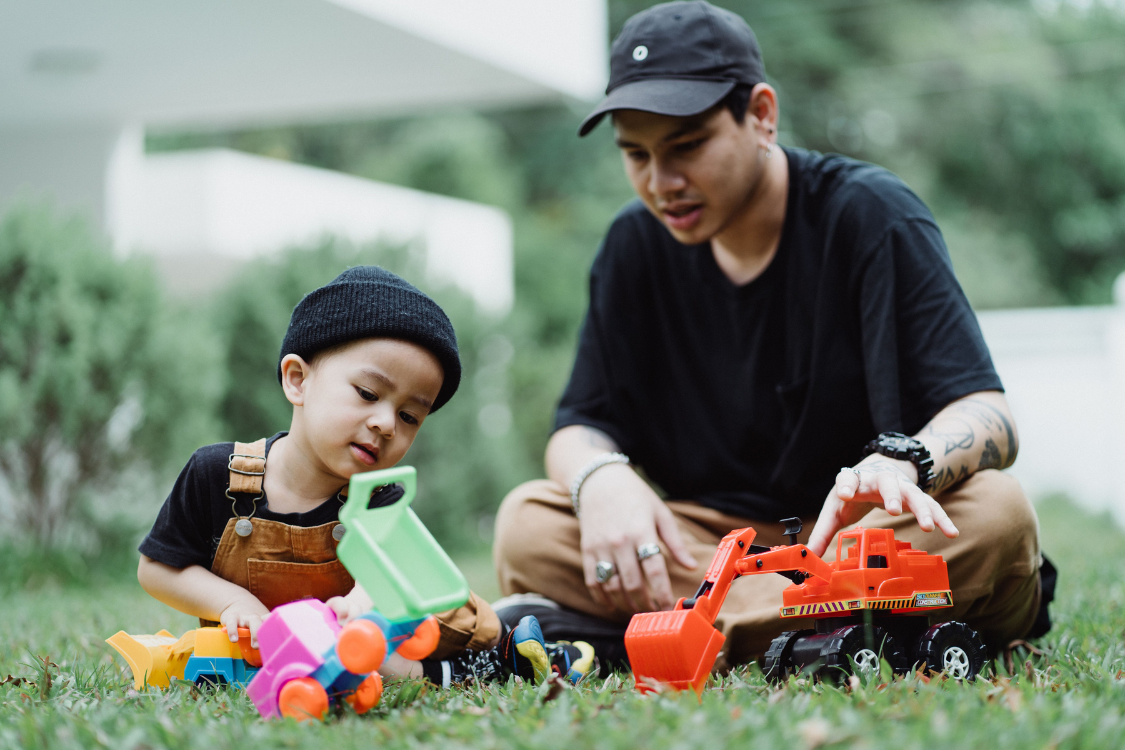
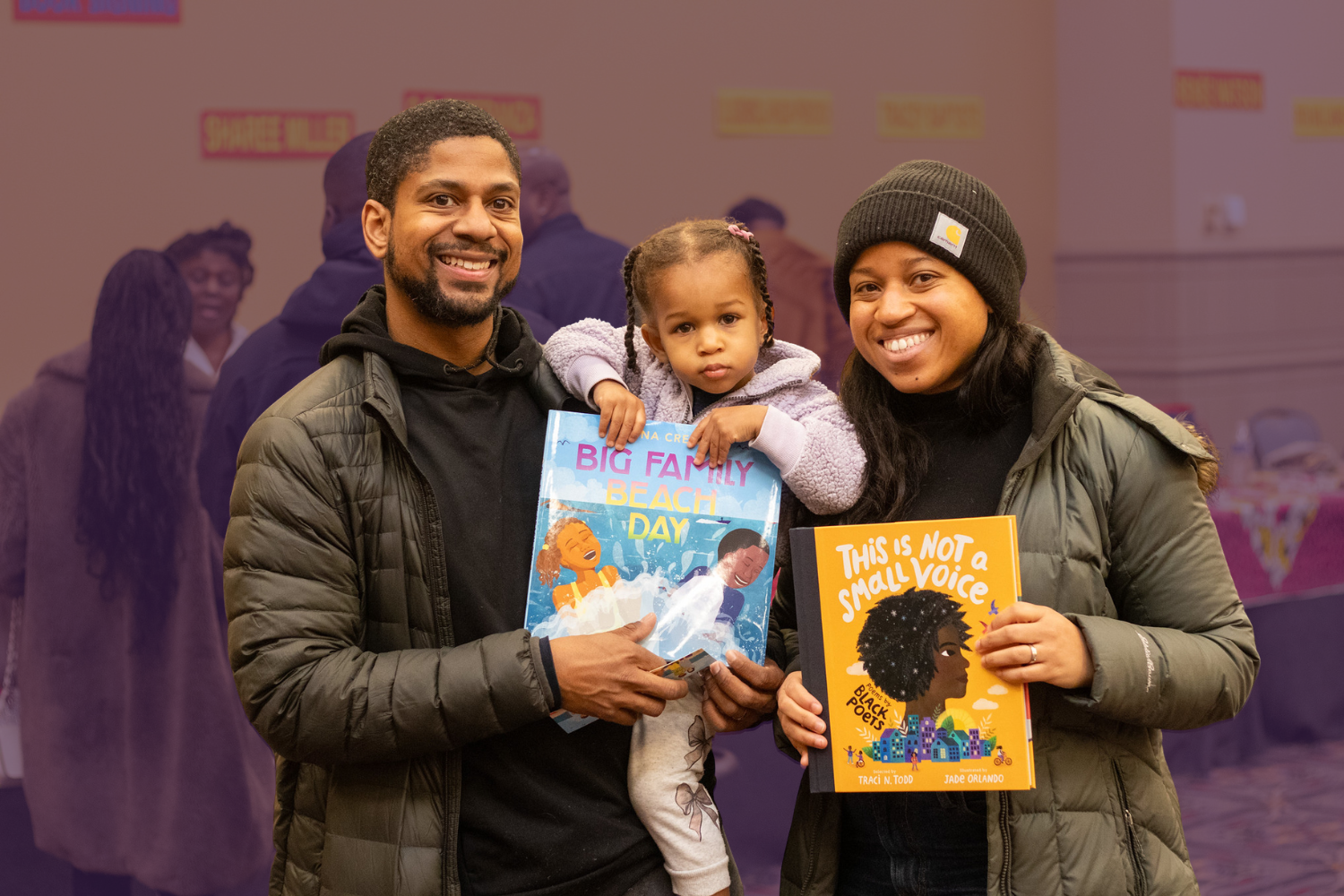
As John put it, "images tell a lot." Representation sends a message: you belong here. And that message matters. When people see others like them participating, they can imagine themselves there too.
Invitations aren't enough. Relationships are the real work.
You can't program your way into this. A one-off "Dads and Donuts" event won't move the needle if it's not backed by something real.
John's advice came down to three things: time, listening, authenticity. Ask what dads in your community actually care about. What's getting in their way. What would make them come back a second time, not just show up once for a photo op.
Sometimes that's a scheduling fix. Sometimes it's a whole different on-ramp.
Build your event around the Eagles game instead of against it. It might sound small, but game time is holy in Philly, and if you want the whole family there, you've got to respect that.
Let dads bring their kids and their friends. It does a lot to make sure no one's the only guy in the room.
Most importantly: tie reading to whatever already brings people together, music, food, sports, whatever it is in your community. You don't always have to build something new to reach people. Go where they're already spending time.
Groups like The Library Dads in Atlanta are already proving it. They've turned libraries into places where dads and kids build something together, and where a dad's friendship with other dads matters just as much as his time with his own kid.
Don’t Let Dads Be an Afterthought
Let's finally stop asking, "Why aren't dads showing up?"
And start asking a better question: "What can we change so dads know they're wanted here?"
Watch the full Read by 4th Lunch & Learn to hear more from John Butler about engaging father figures, building welcoming literacy spaces, and creating more opportunities for dads to show up for the young readers in their lives.