Positive racial identity development is a literacy strategy we can't ignore
Learning to read is an act of courage. Every time a child sounds out a word out loud, they're taking a risk: of being wrong, of being corrected, of being heard. Reading confidently takes believing their voice is worth sharing, and that the books in front of them were made for someone like them.
At our most recent Lunch & Learn, Lisa Browne, Director of Early Learning Initiatives and Equity Advancement at First Up, led an incredible discussion about the through-line between racial identity development and early literacy. Research shows that children who grow up with a strong, affirming sense of who they are demonstrate measurable gains in academic performance, resilience, and reading engagement. Identity development isn't the lesser cousin of academic work. Self-perception and self-efficacy are the foundation academic achievement.
Your child already notices race. Now what?
Here's the thing adults sometimes don't want to hear: children are not too young to notice race.
By age 3, they're already using it to make sense of the world. By 5, they're forming ideas about fairness, belonging, and who the hero of the story gets to be.
They're not waiting for us to introduce the topic. They're drawing conclusions from everything around them. The question isn't whether they'll learn about race. It's whether the messages they're absorbing are building them up or tearing them down.
"Children are already making meaning about race long before we formally teach it. Our responsibility isn't whether children learn about it. They already are. It's what messages they're learning."— LISA BROWNE
Silence isn't neutral. When adults go quiet on race, children fill that void with whatever the culture hands them. Which, without intentional pushback, often means messages that center some kids and erase others. As Lisa put it: "When you think you're not really saying anything at all, your silence is actually speaking real loud."
Celebrating identity doesn’t detract from literacy or the Science of Reading.
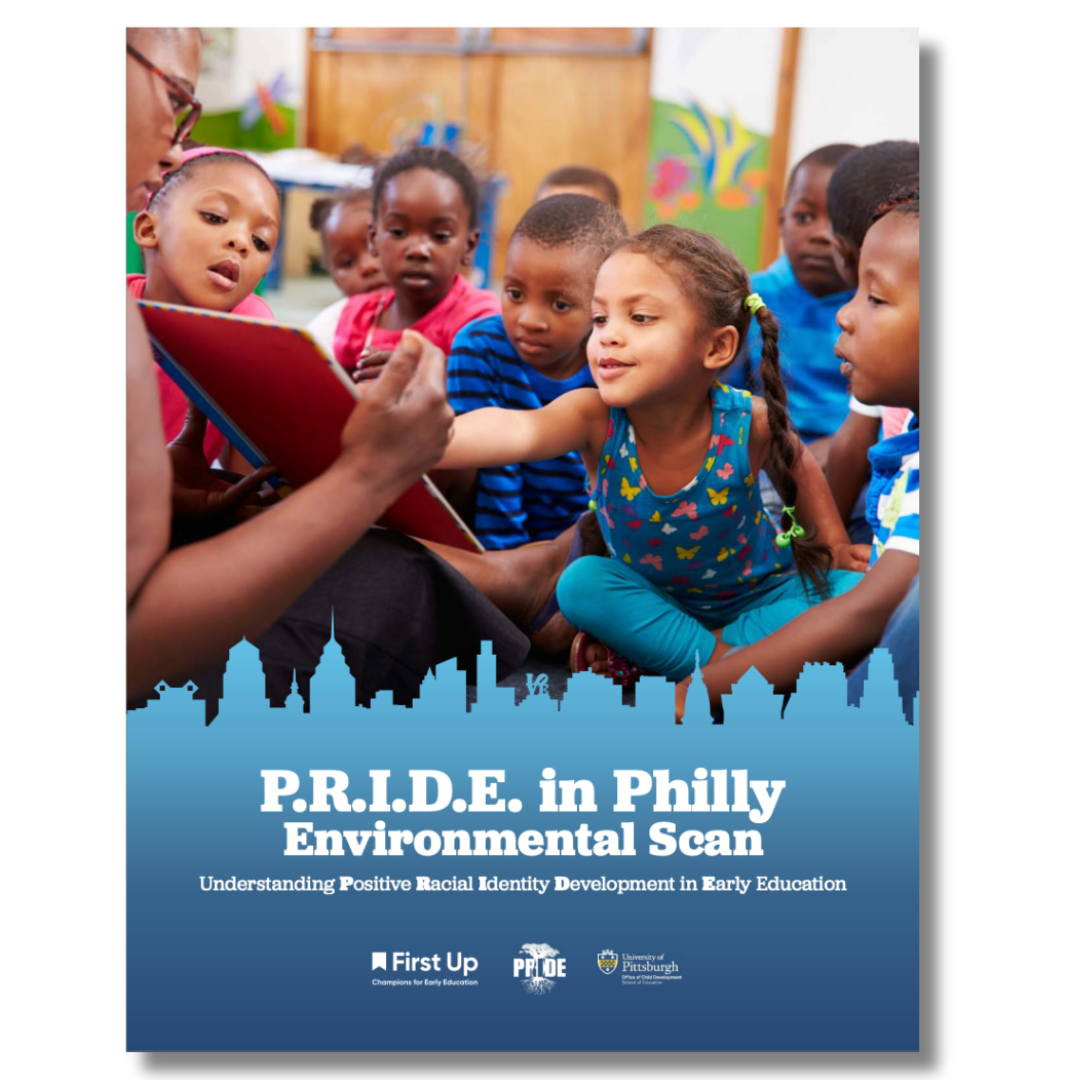
Positive racial identity development, helping children feel genuinely proud of who they are, where they come from, and what their community carries , has real effects on how children learn. Stronger self-esteem. Greater resilience. Improved academic outcomes. Fewer behavioral challenges. This is what the research shows, including work surfaced through the Pride in Philly Environmental Scan that First Up helped lead.
When children are constantly navigating invisibility, stereotypes, or harmful messages about who they are, that costs them something. It takes up cognitive and emotional bandwidth that could be going toward learning. But when children feel affirmed and safe, they're freed to take risks. To try. To fail and try again. Which is, incidentally, exactly what learning to read requires.
"Early literacy requires vulnerability. Reading requires confidence. Learning requires risk-taking. Children have to believe — my voice matters, I belong here, and I am capable."
— LISA BROWNE
There's a common misconception that conversations about racial identity are only relevant for people of color. In reality, understanding your own identity and culture builds pride, resilience, and a stronger sense of belonging for every child. And learning about others' experiences fosters empathy, respect, and a true appreciation for difference. But this work is especially important for children of color, whose stories have too often been overlooked, erased, or reduced to limiting stereotypes.
The goal isn't division. It’s helping every child develop a healthy relationship with who they are while learning to value others.
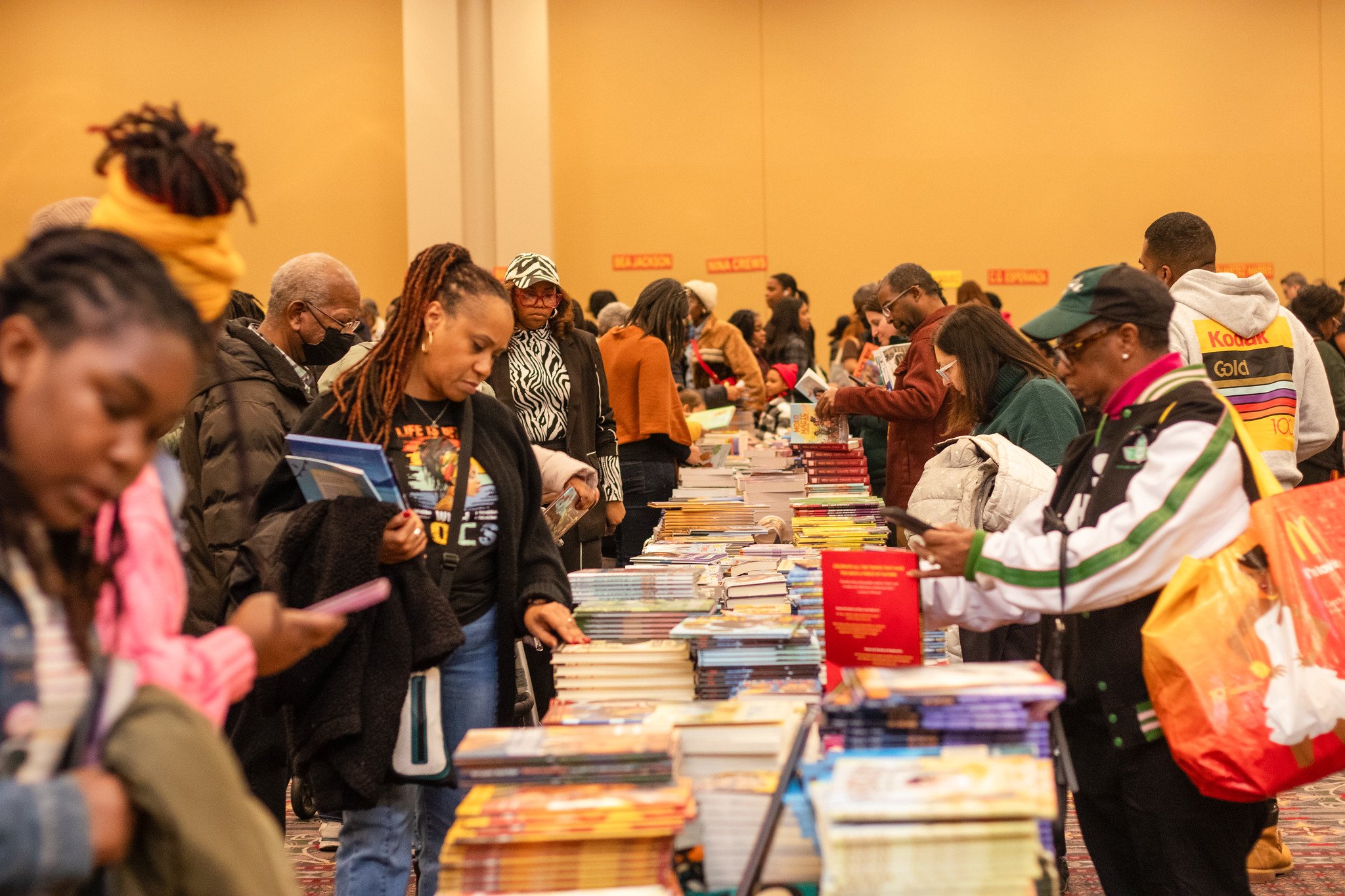
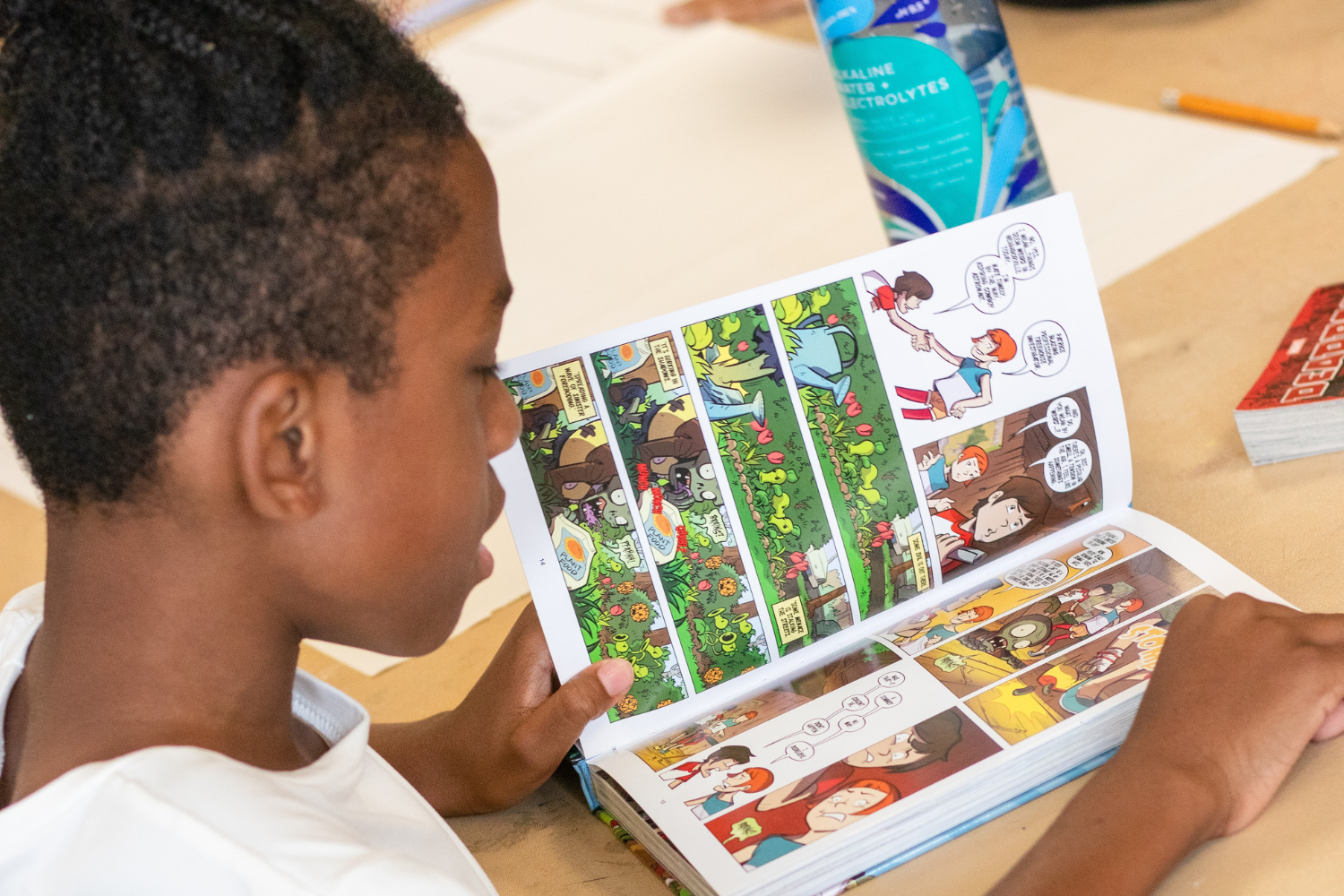
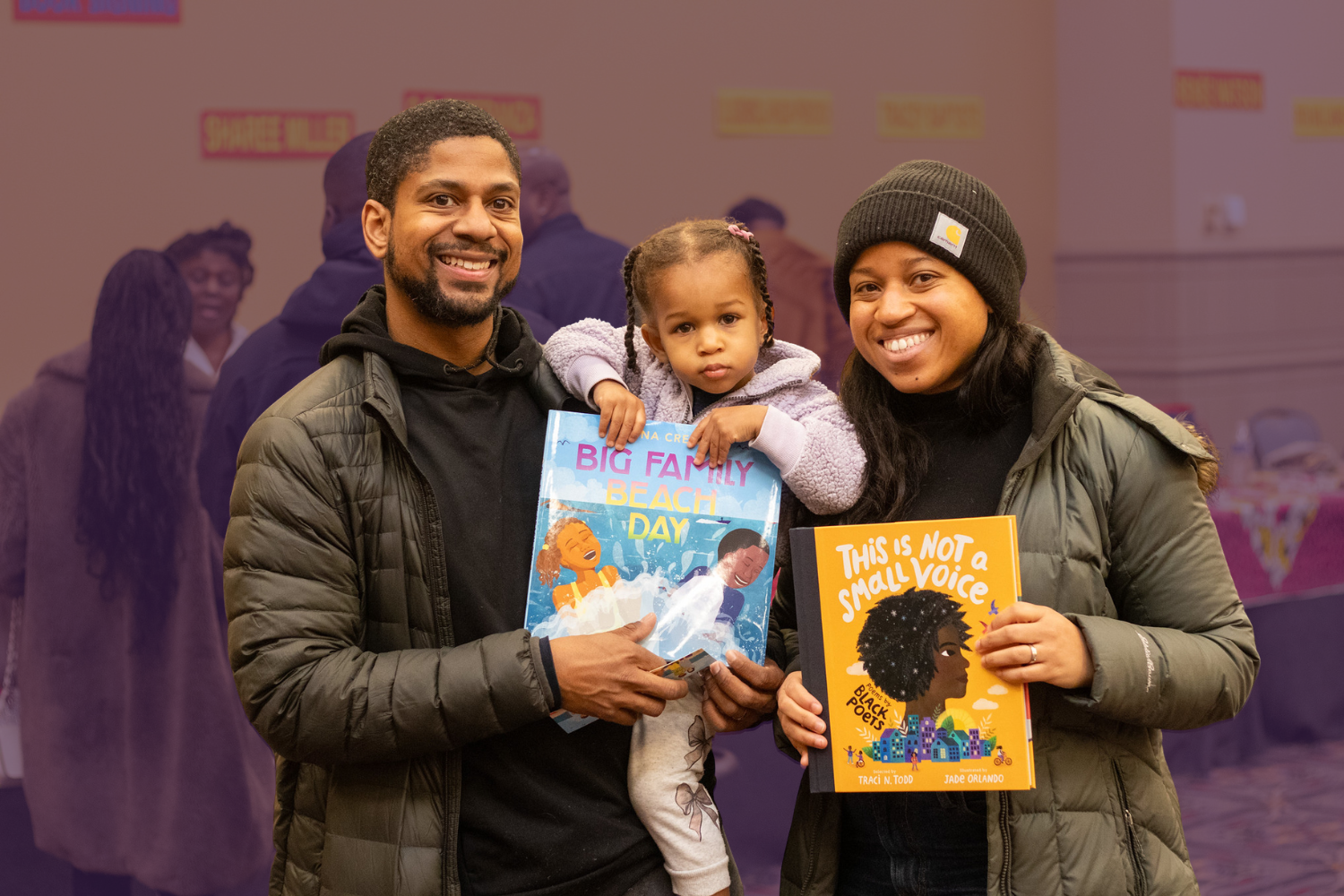
Families explore books at Philly’s annual African American Children’s Book Fair.
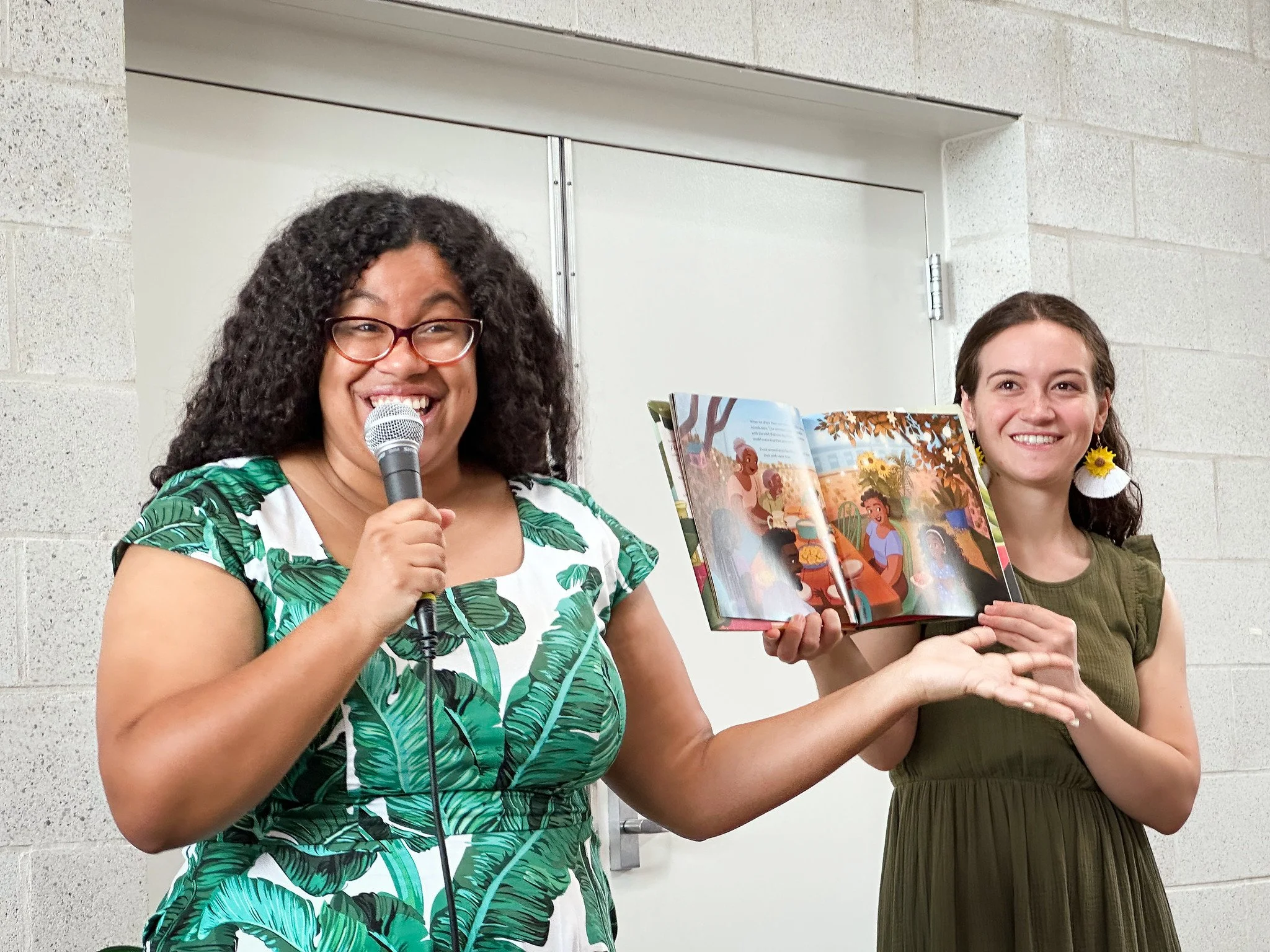
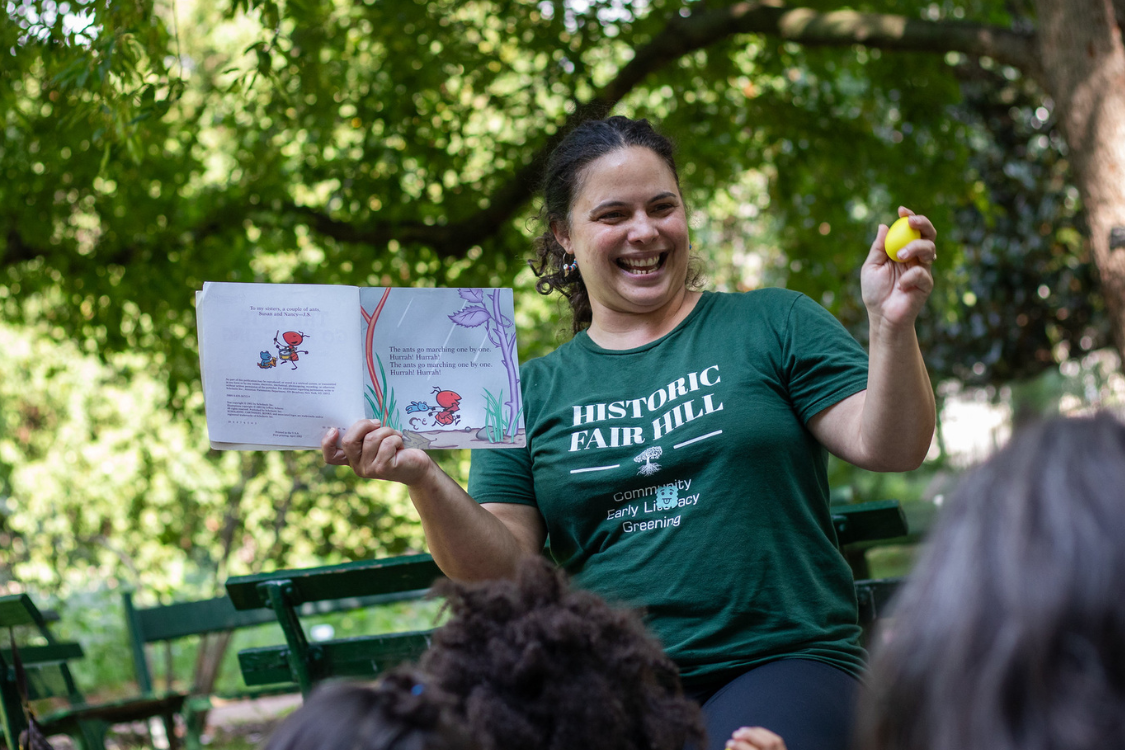
Author Alyssa Reynoso-Morris shares her picture book Plátanos Are Love with families gathered at Julia de Burgos Bookstore.
How to use books to build positive racial identity
It's not a special unit or a month-long focus. Building positive racial identity lives in the small, daily decisions. Here are a few ways to start as parents, librarians, educators, and literacy advocates.
Re-read a book you already use. This time, ask: who do you see in this story? Who's missing?
Audit your bookshelf. Does it reflect the children in front of you right now?
Challenge the narrative. Stock books where Black children are joyful. Where multiracial children see themselves without needing an explanation. Where Asian children are fully human, not flattened by stereotype.
Treat home language as a feature, not a gap. Even when it mixes with English.
At dinner, ask kids: What story do you want to tell about your day?
Ask children what kinds of characters they want to see more of. Then build a bookshelf where they belong.
When children see themselves in books they don't just learn to read, they learn that their story belongs in the world.
Watch the full conversation with Lisa Browne.