In Eastwick, Dr. Sheena Howard is using comic books and graphic novels to get young people reading, writing and telling their own stories.
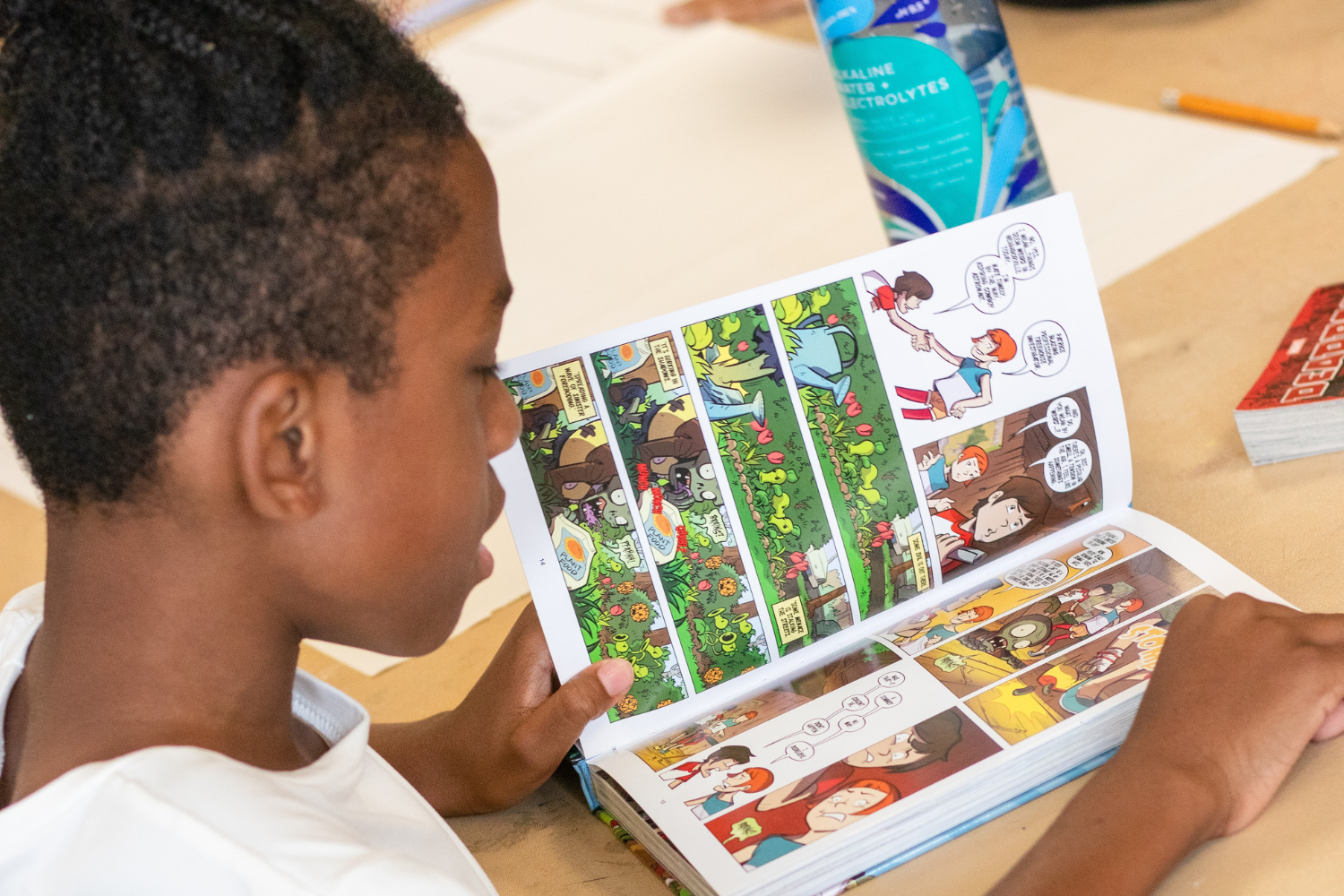
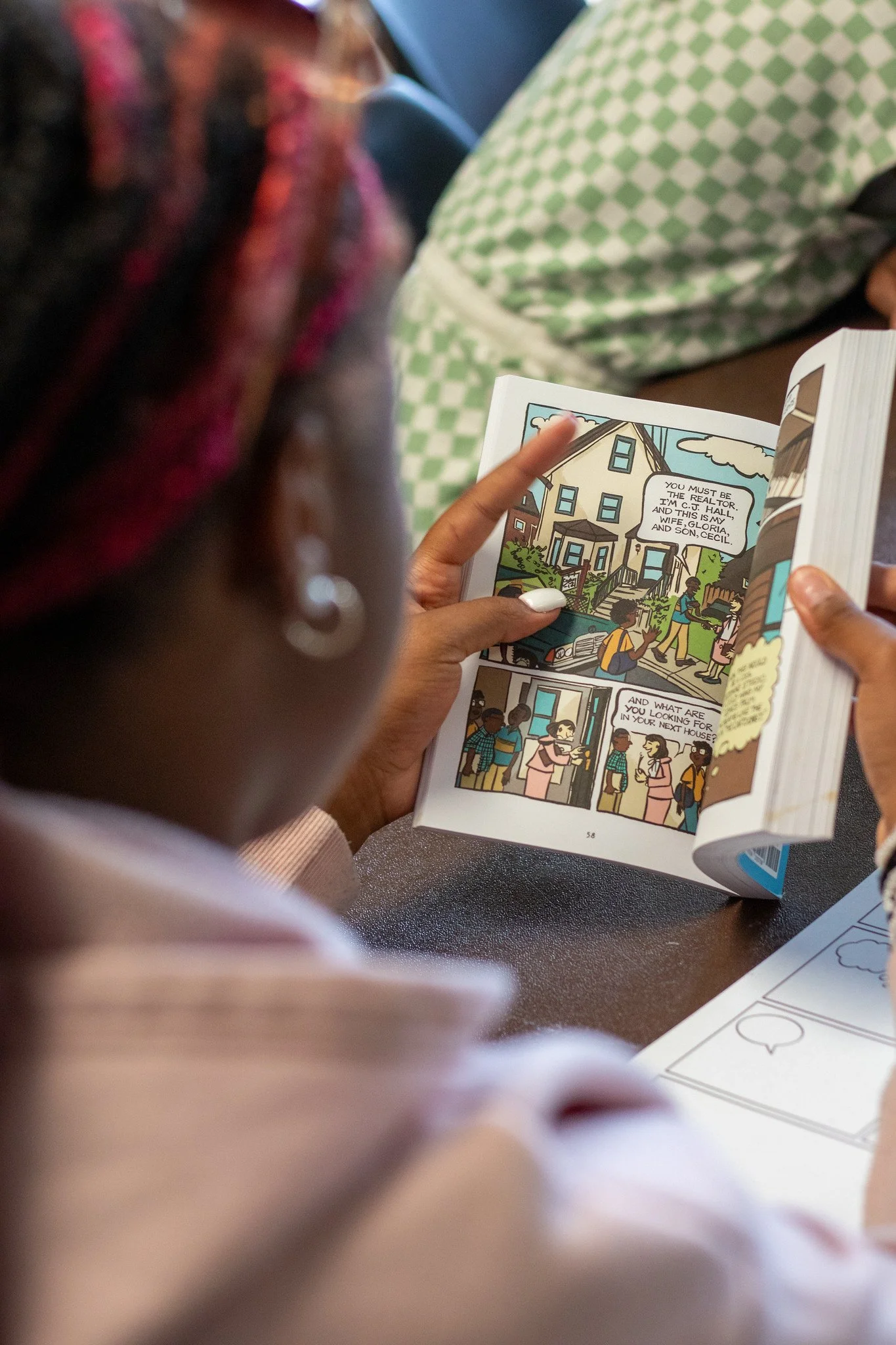
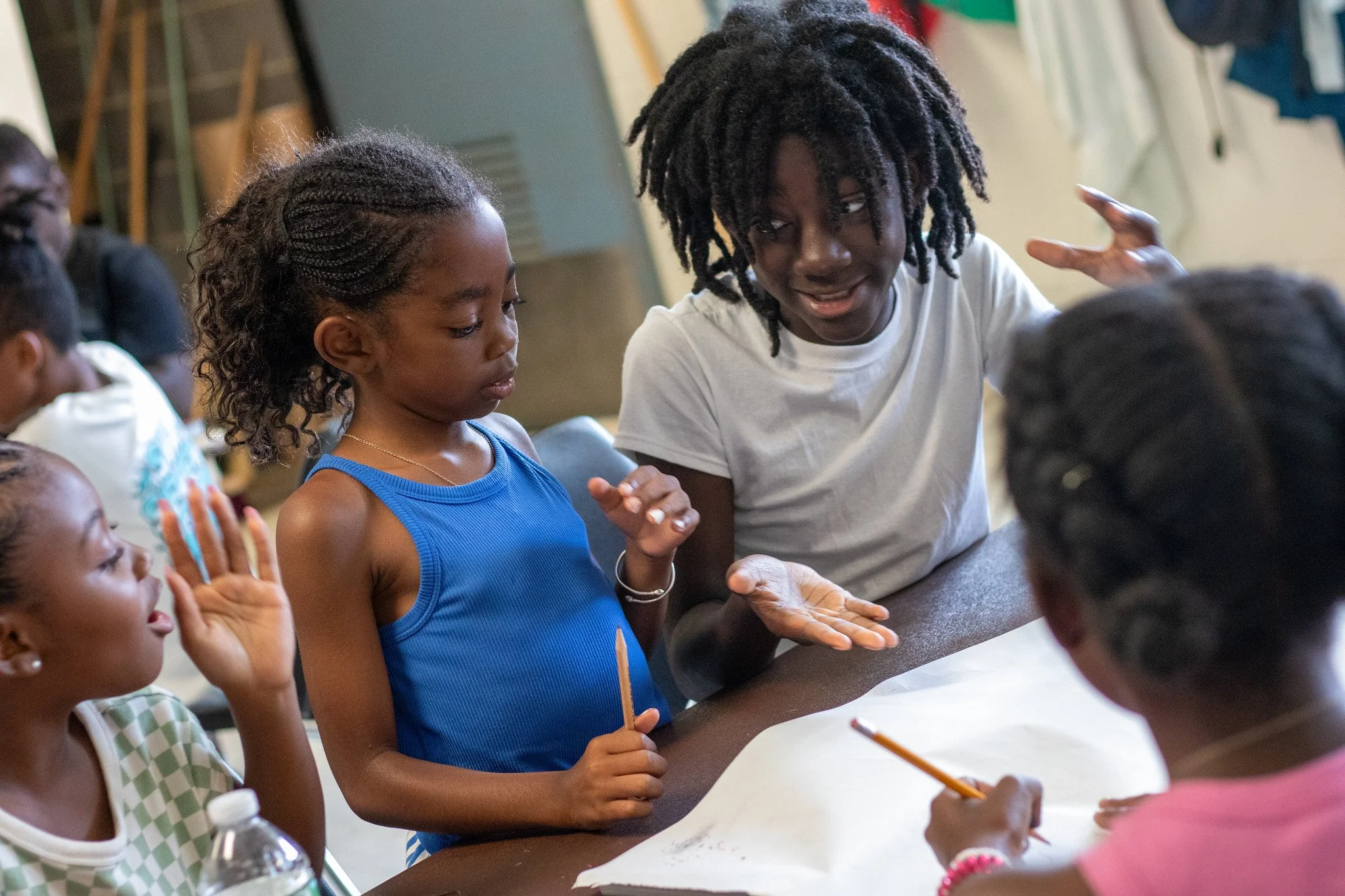
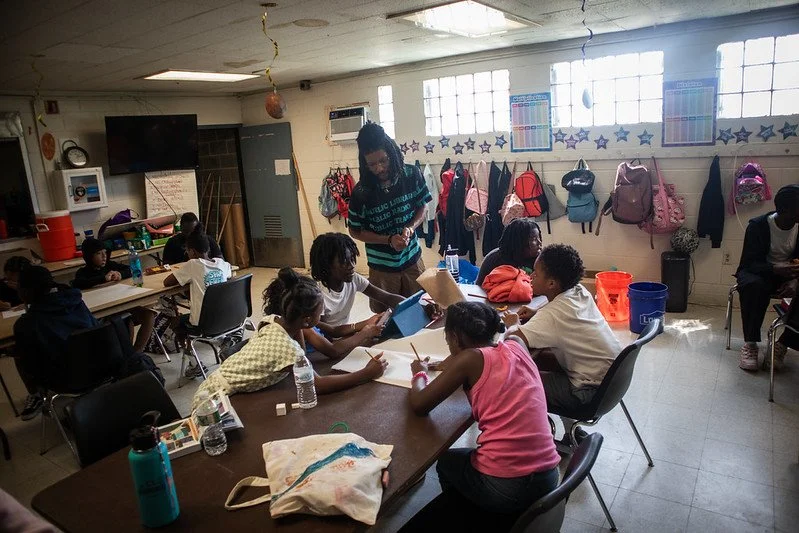
On a summer afternoon at Eastwick Recreation Center, nearly 60 young people gathered around tables covered in books, pencils and blank comic book pages.
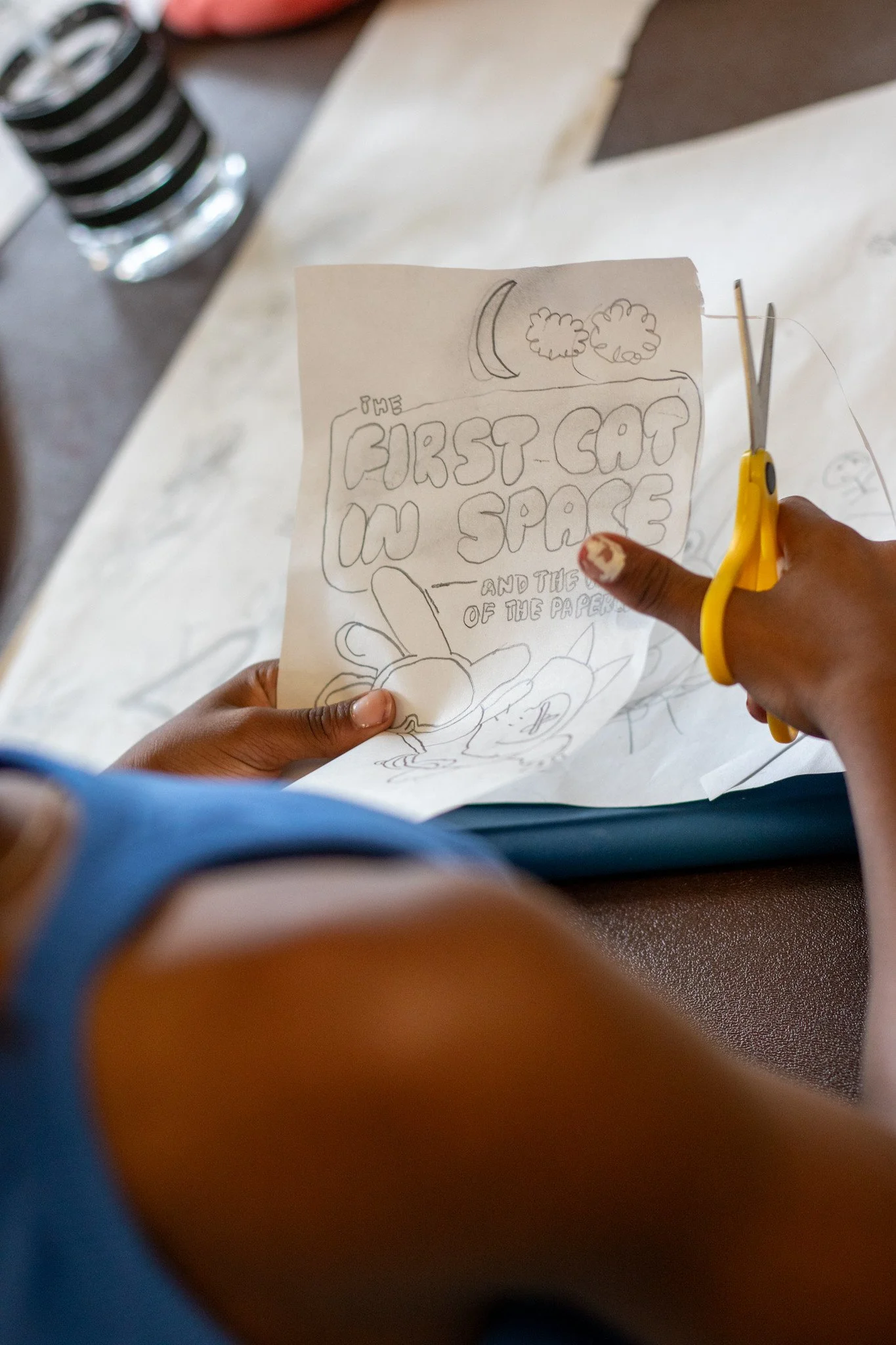
Heads bent over sketchbooks. Some kids started with a character, doodling a superhero cape or a pair of sneakers before writing a single word. Others started with a plot, figuring out what happens in panel one before drawing anything at all.
Their assignment: make a comic.
For Dr. Sheena Howard, a two-time Neighborhood Literacy Fund awardee, it’s a creative way to practice reading, writing, storytelling, and self-expression.
With support from the Neighborhood Literacy Fund, Howard brought a series of literacy workshops to Eastwick Rec Center, along with books and 120 blank comic book pages for young people to fill with their own stories.
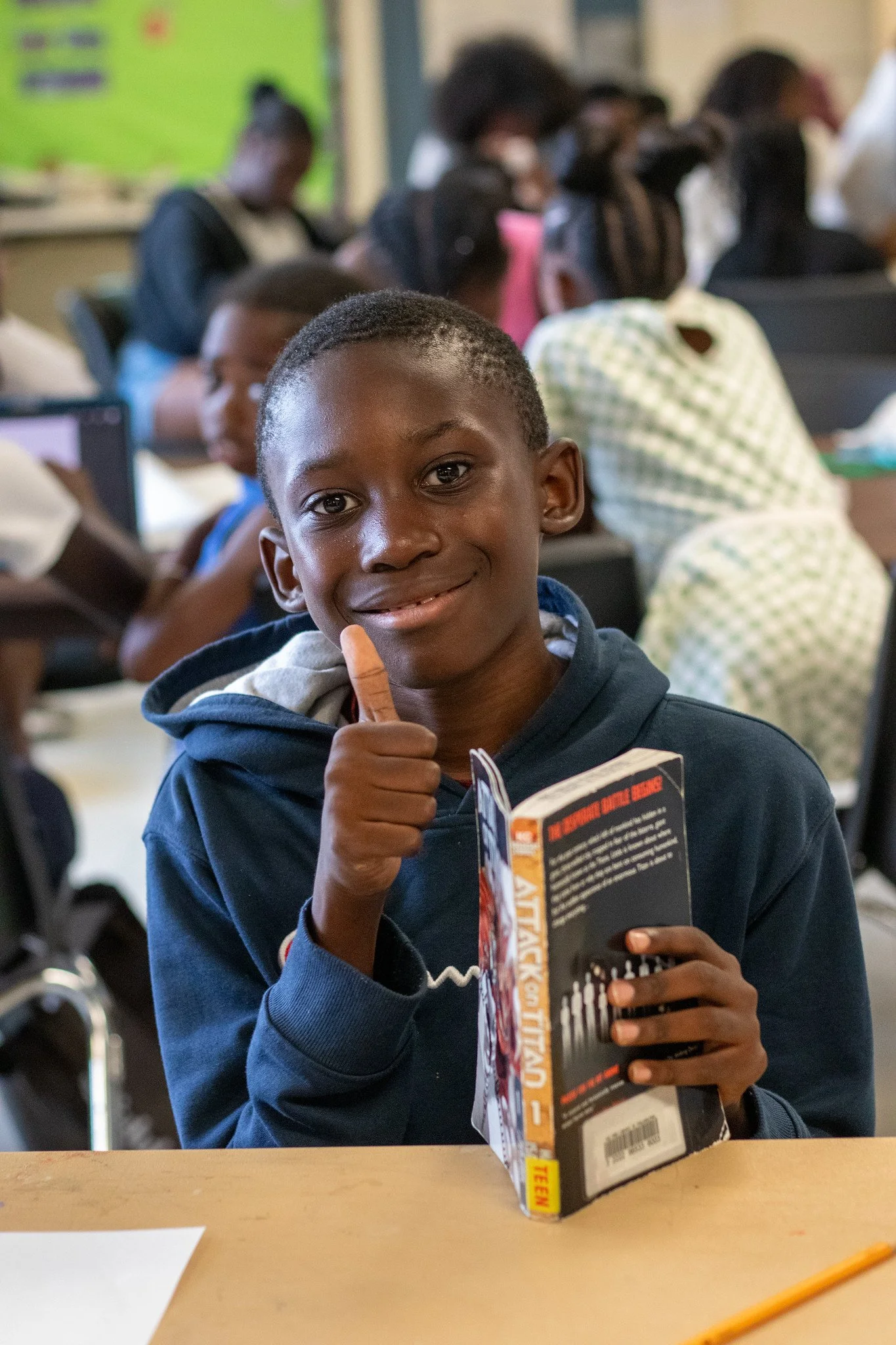
Start with what they love
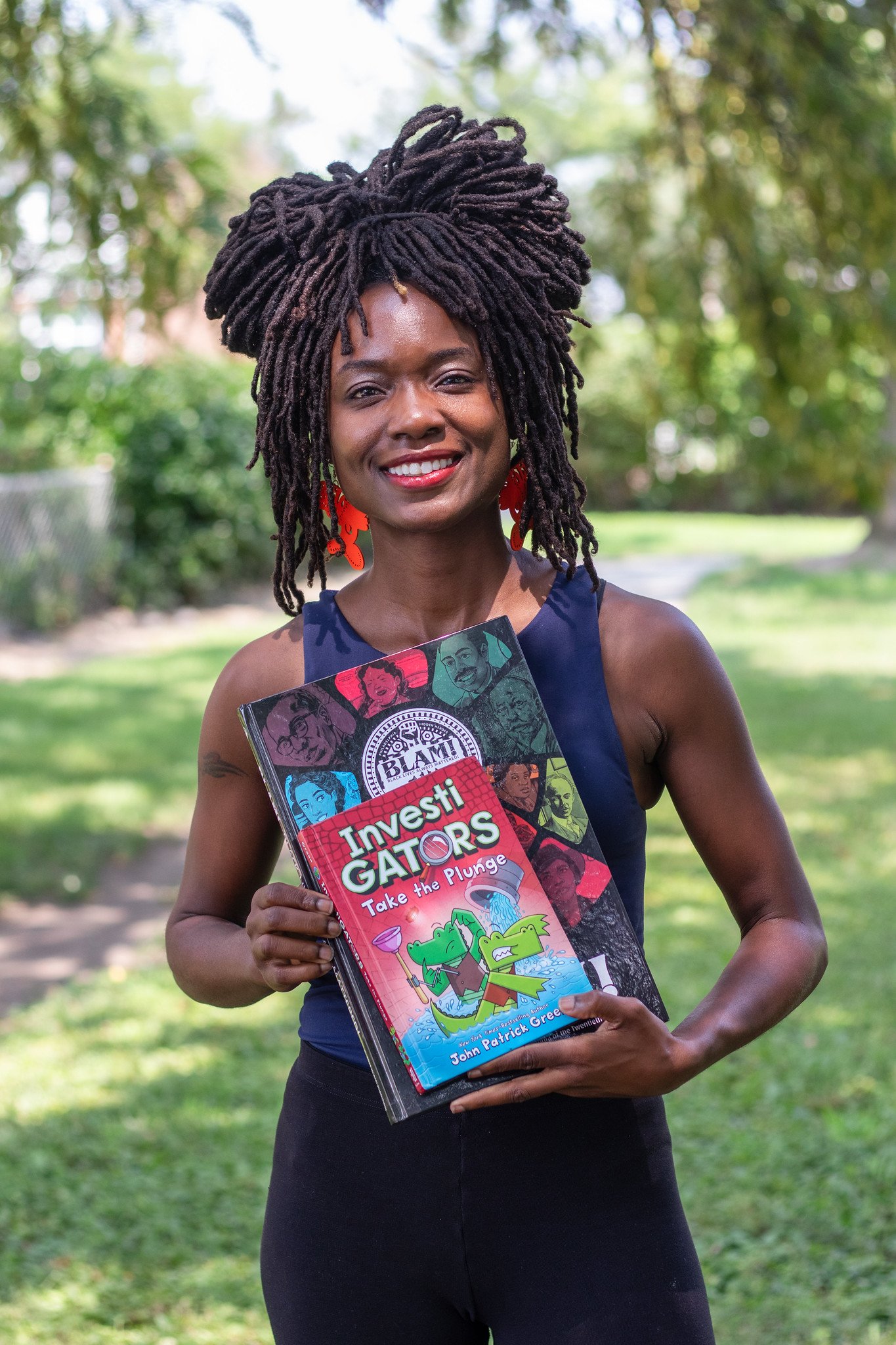
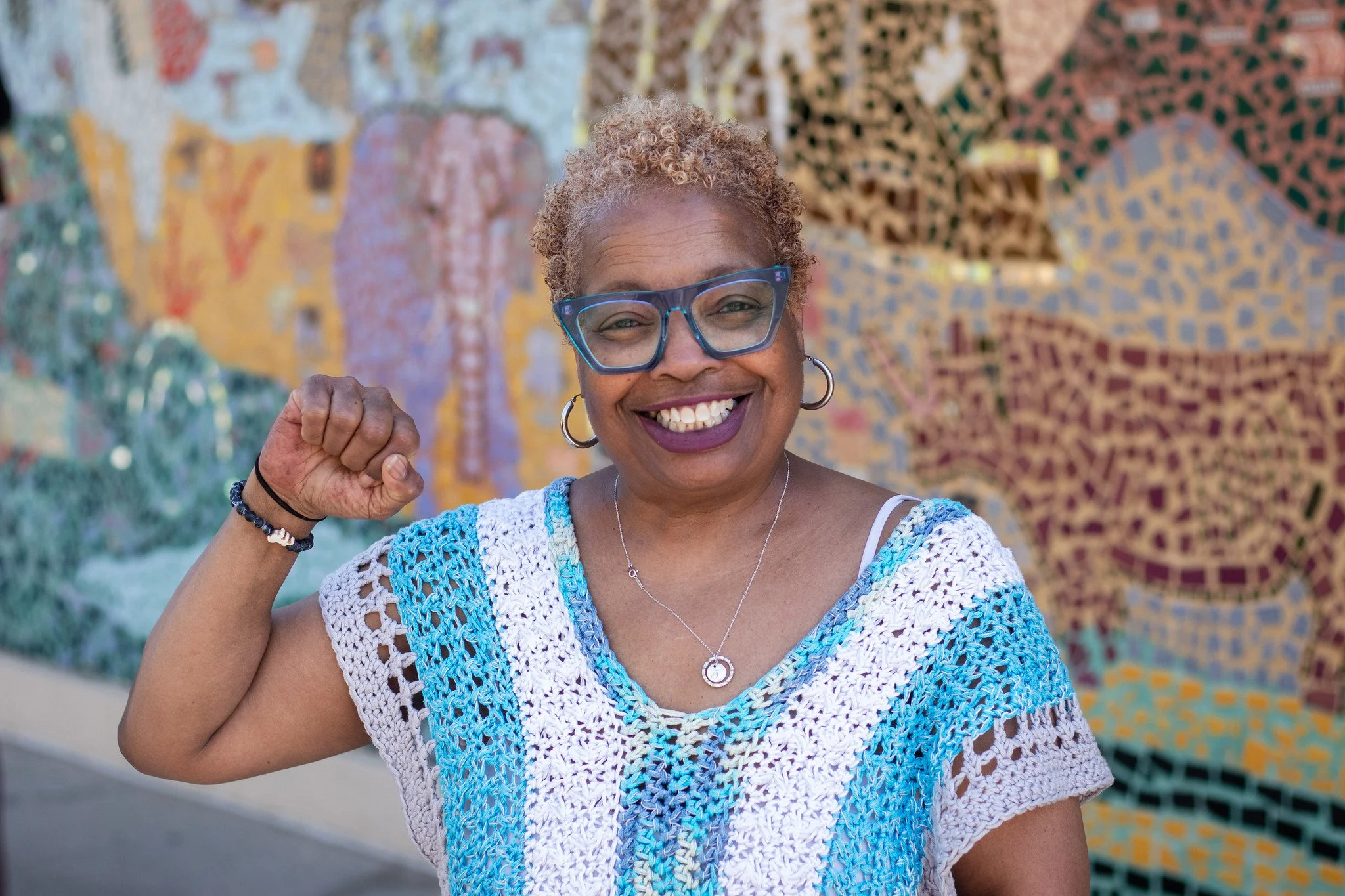
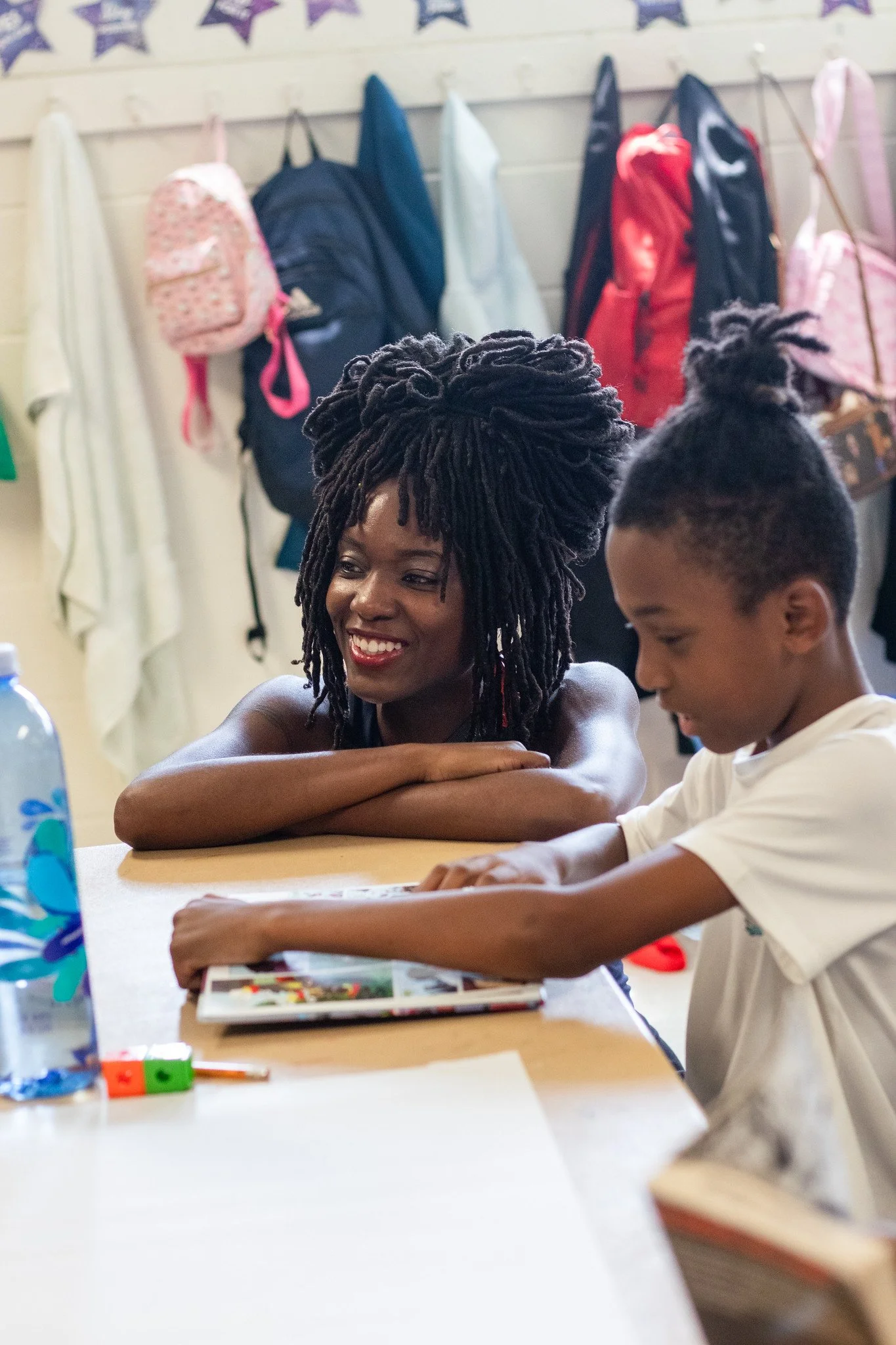
Dr. Sheena Howard holds comic books that are helping young people in Eastwick find their way into reading.
Howard knows firsthand that comics can be a powerful way into reading. While earning her PhD at Howard University, she studied The Boondocks and explored how comics can make history and real-world issues more accessible. She’s also the author of Black Comics: Politics of Race and Representation.
“A comic book and graphic novel are a great way to get everybody interested in reading about history and real life issues,” she says.
Now, she’s bringing that idea to her own neighborhood.
The young people in her classes get to choose what they read, draw, and write. For Howard, that freedom matters.
“Sometimes self-expression can be an entry point into literacy,” she says. “When you allow kids to be free to express themselves, they are more freely taking ownership of their reading journey.”
Howard has seen this with her own nine-year-old. When she lets him choose a graphic novel, she says, he’s more willing to trust her when she nudges him to try out longer books.
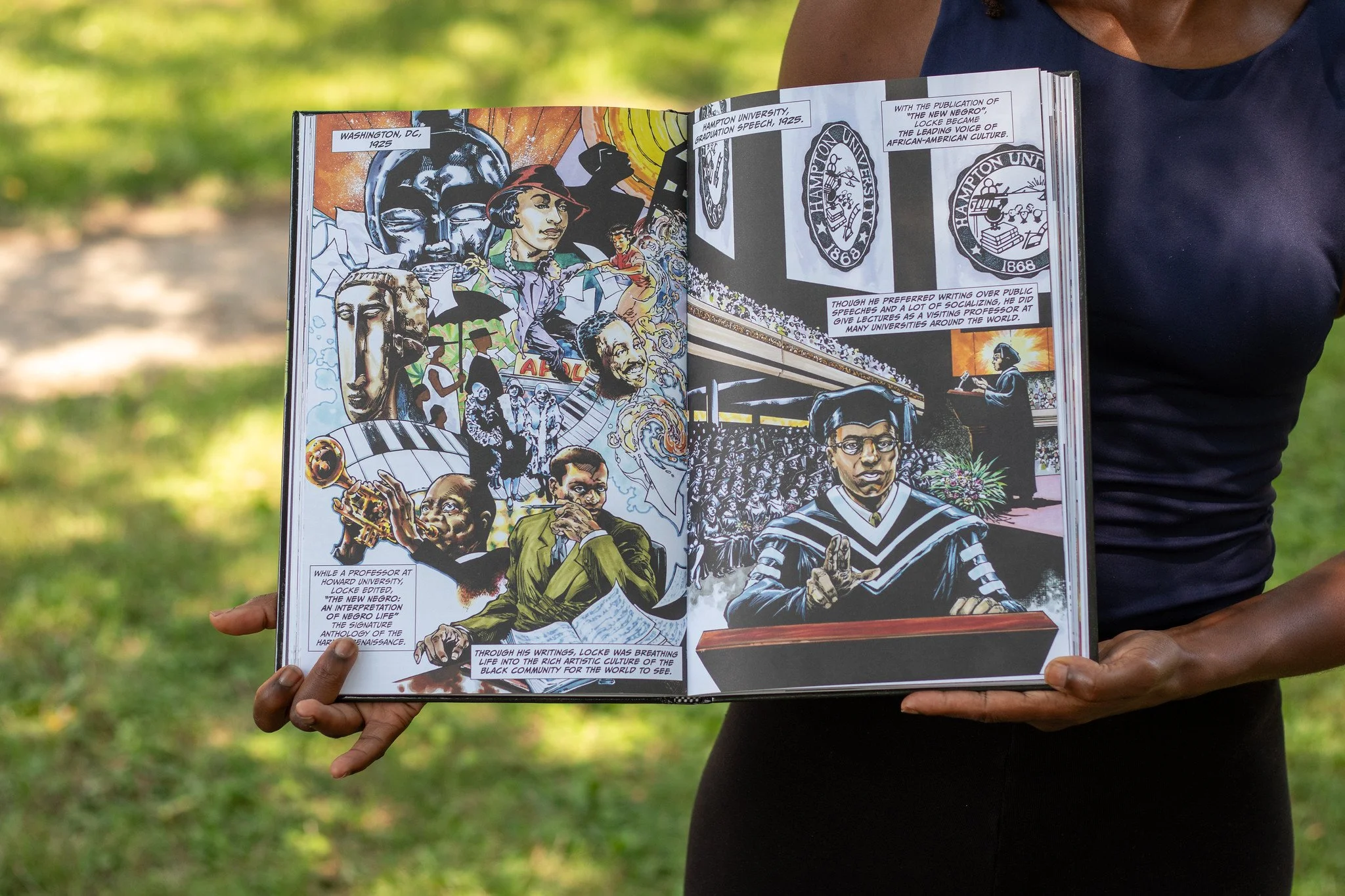
Black history is celebrated through comic panels.
Literacy starts in the neighborhood
Howard’s workshops took place at her rec center, in her neighborhood.
That’s part of what makes the Neighborhood Literacy Fund so powerful.
“The Neighborhood Literacy Fund helps people in the community fill the void and gap in literacy in the city of Philadelphia,” Howard says. “Anyone who is doing work around trying to help young people improve their literacy skills, the Neighborhood Literacy Fund is there to help us empower ourselves and our community.”
People who live in a neighborhood know its families best. They know what young people are excited about. They can see possibilities that might look different from a traditional classroom.
The fund helps turn those insights and ideas into something real.
Shoutout to Eastwick
At the end of our conversation, we asked Howard what she wanted Philadelphia to know.
Her answer wasn’t about literacy. It was about Eastwick.
“I don't think Eastwick gets enough credit,” she says. “We are here, we're keeping our neighborhood looking beautiful. We're serving our kids, and we're doing it as a team and as a community.”
And maybe that’s the heart of the Neighborhood Literacy Fund: great ideas are already happening in Philly’s neighborhoods. Sometimes they just need a little support to take shape.
Got an idea to help more kids become confident readers in your community? The Neighborhood Literacy Fund can help bring it to life. Apply for funding and join the many Philly neighbors closing the literacy gap, block by block.