Who gets to be seen as a reader? The hidden barriers facing Black children with dyslexia
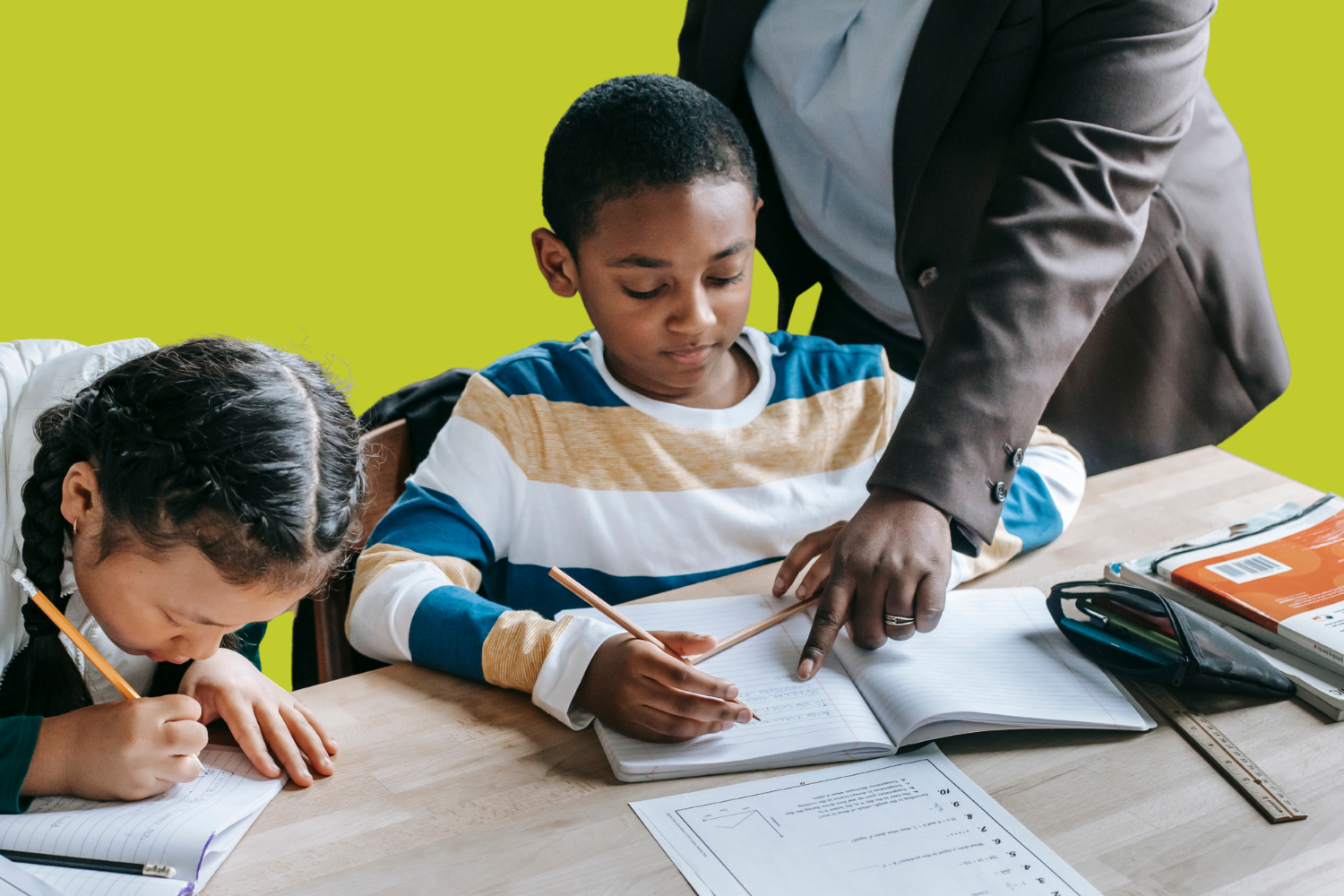
A child struggling to read is rarely a child who can't learn. Sometimes they're a child whose strengths, needs, and potential have simply gone unseen.
For too many Black children with dyslexia, the biggest barrier isn't their ability to learn, it’s whether the system recognizes what they need to succeed.
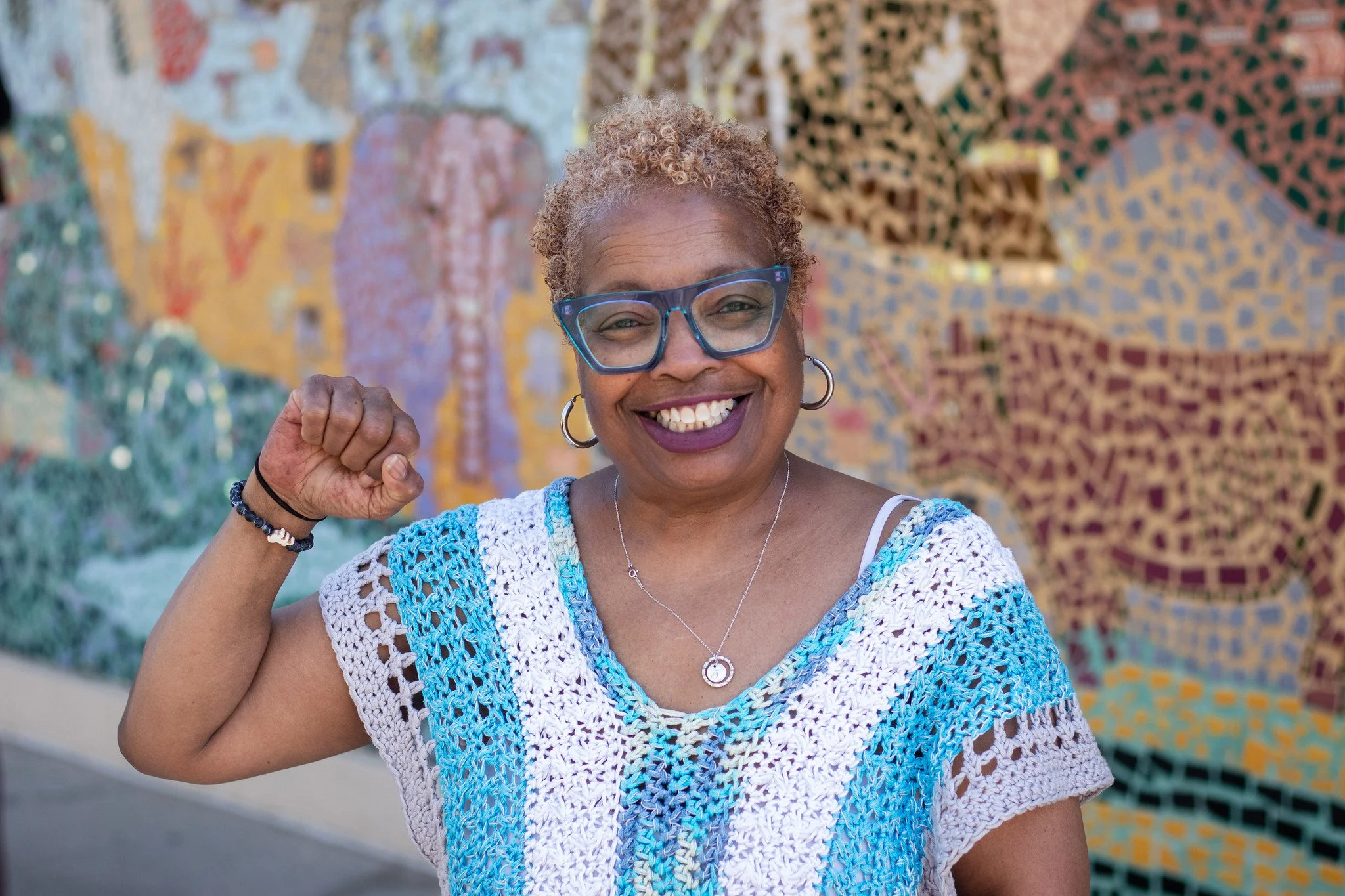
That was the central message of our latest Read by 4th Lunch & Learn with Resha Conroy, MPA, MS, CCC-SLP, Founder & Executive Director of the Dyslexia Alliance for Black Children. Drawing from her experience as a speech-language pathologist, advocate, and parent of a child with dyslexia, Conroy explored why so many Black students with dyslexia remain unidentified, and what it will take to change that.
"We're not finding our Black students who have dyslexia."
Dyslexia occurs across all racial groups. The difference is in who gets recognized. Research shows Black students are significantly less likely than their white peers to receive a school-based dyslexia identification, even when their reading challenges look similar.
Conroy explained that the problem isn't that Black children experience dyslexia less often. It's that bias, low expectations, misunderstandings about language differences like African American English, and inequities built into our education systems all shape who gets identified and who gets overlooked.
"What we see happening in classrooms today did not begin today."
America's long history of unequal access to literacy continues to shape educational opportunity today. From anti-literacy laws during slavery to generations of segregated schools and the loss of Black teaching traditions, today's disparities didn't appear overnight. And they won't disappear on their own.
The good news? We know what works.
Conroy emphasized that early identification, comprehensive evaluations, and evidence-based reading instruction can change the trajectory of a child's life. That means equipping educators to distinguish language differences from learning disabilities, partnering with families, and ensuring every child has access to structured literacy instruction rooted in the science of reading.
When children are identified early and given the right support, dyslexia doesn't have to define their future.
Resources for families and educators
The Dyslexia Alliance for Black Children has created a collection of literacy resources for parents, caregivers, and educators supporting students with dyslexia. Explore the Dyslexia Alliance for Black Children Literacy Resources Padlet here.
Martina Barbour knows literacy doesn't just live between two book covers. It lives in the soil, shared songs, and the questions kids ask on the walk home.
Stop asking why dads aren’t showing up. Start asking what we can change to make sure they feel welcomed.
What does effective reading tutoring look like in Philadelphia? Researcher Kendall LaParo explores the gap between evidence-based practice and the real-world challenges of helping students learn to read.
Toya Algarin has a simple, radical idea: the best reading teachers may already be at home. And they might be grandmothers.
When a parent can't read, a child notices. And that child is more likely to struggle too.
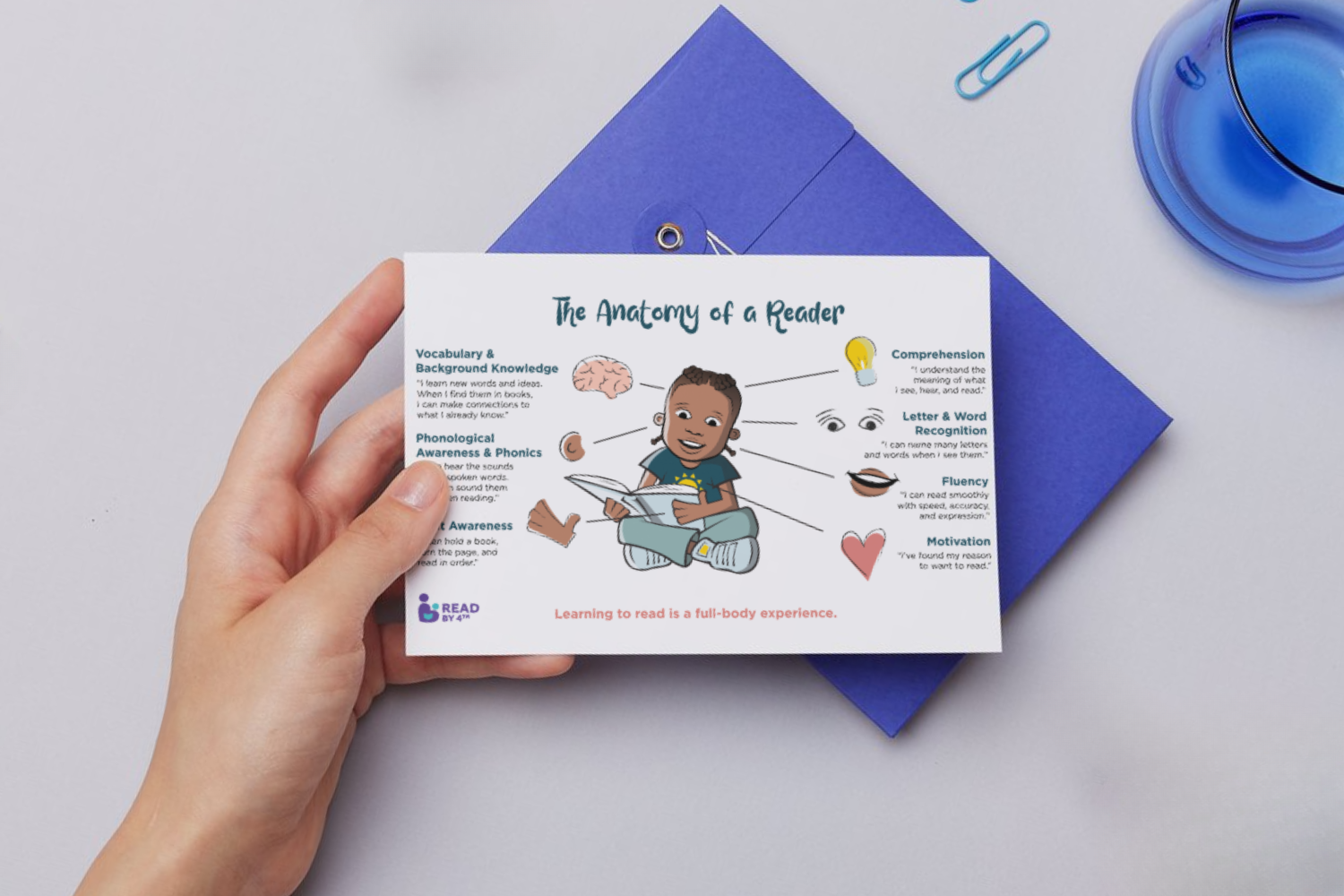
This graphic makes the science of reading clear and helps families, schools, and communities speak the same language.
Philadelphia once had nearly 200 school librarians, now it has two. This is how the city lost them and how we can bring them back.
In a night of celebration and action, Read by 4th partners came together to fight for every child’s right to read.
From struggling reader to community leader, Jazmine is making sure more children have the support they need to thrive.
We can’t talk about the early literacy crisis without being real about something else: the adult literacy crisis.
Self-care isn't just wellness, it’s the foundation of sustainable healthy advocacy. Caring for ourselves helps us better care for others.
Want to rally for Philly’s young readers? Download our free posters and help push for policies that fuel early literacy success.
Moffet School is rewriting the script on reading with structured literacy, family engagement, and a whole-child approach.
Reading Captains, you’ve got the trust, the heart, and the know-how. Here are a few simple, powerful ways to spread a love of literacy.
Literacy is a right, but it hasn’t always been protected. Check out this Lunch & Learn exploring the history of Black literacy in America and the lessons we can carry into our present and future.
Use these reflection questions as a strategic tool to help bring our shared values off to life.
The literacy world is packed with big, fancy words—but we’re not about that. Here’s a no-fluff guide to the key terms that matter to Philly’s early literacy movement.
Chewing on books? Reading backward? Obsessed with one story? These quirky reading habits might seem strange, but they’re actually signs your child is learning.
We partnered with Fors Marsh to evaluate how our community literacy grant model, influenced by participatory and trust-based philanthropy, is working.
Recognized as one of 2024’s most impactful initiatives, the Philly ABCs transforms public spaces into playful, culturally relevant, learning experiences for families.
A champion for education and equity, Julia Cadwallender steps into her new role with a passion for the science of reading, community, and collaboration.
These eye-opening documentaries expose why so many kids struggle with reading—and will leave you fired up and ready to take action.