Philly families are looking for these types of children’s books
When it comes to choosing books for families, nobody knows what they want better than them. To help our partners select stories children and grownups will want to read again and again, we asked local caregivers what they look for in a book.
Here’s what they said.
Diverse Books
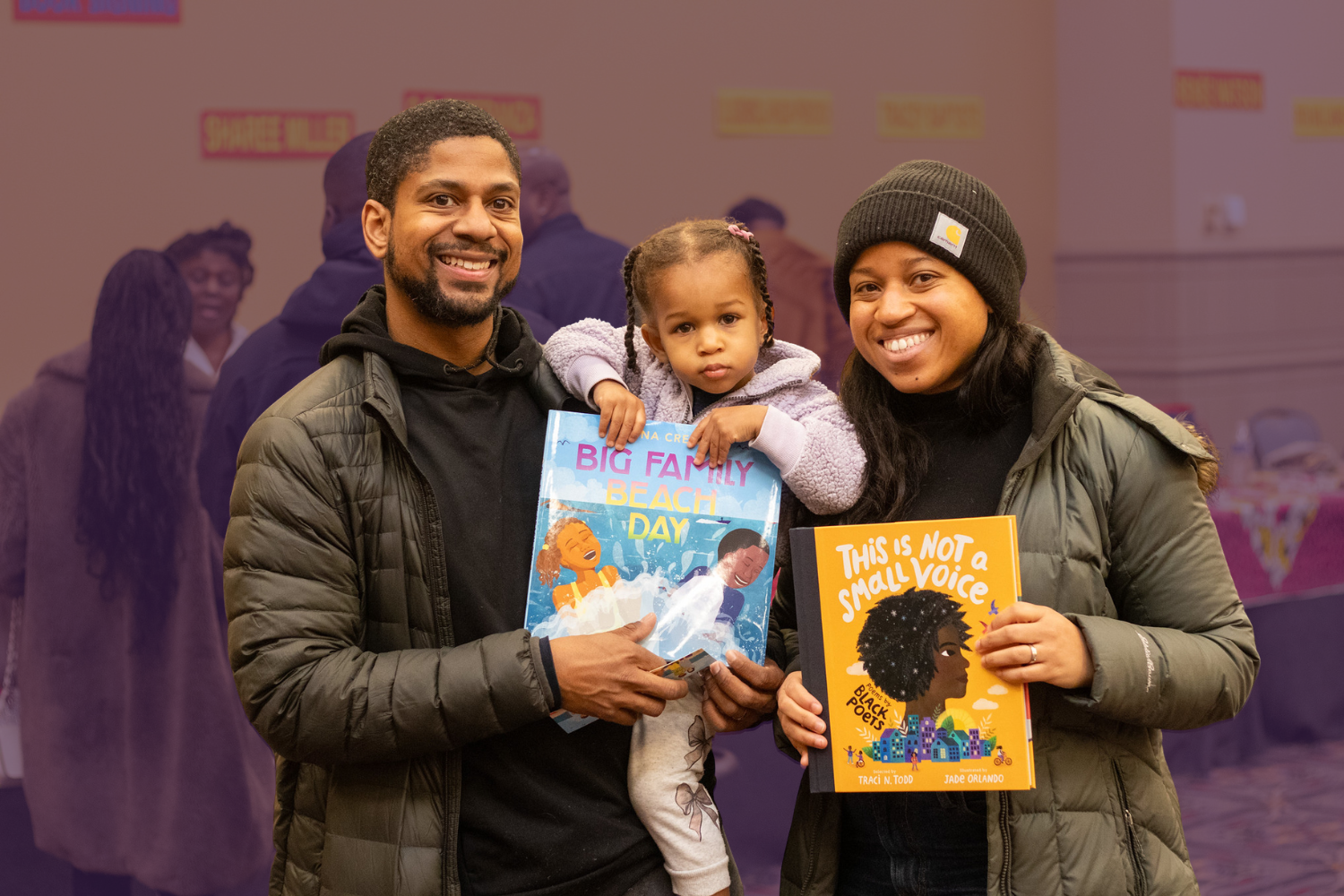
Every child deserves to see themselves in the pages of a book. Titles with diverse main characters, particularly those written by multi-cultural authors, excite families who often didn’t have such stories growing up. Diverse books celebrate, affirm, and can build empathy and understanding across cultures.
Multi-lingual Books
Reading with children in their native language is essential to building strong readers. In a city as rich in diversity as Philly, bilingual books are a matter of accessibility. We need children’s books parents and caregivers are confident reading.
Books about topics to get ready for school.
Colors, letters, counting, and more. Families know that reading together not only builds literacy skills but is a great way to teach concepts to get their little ones ready for school.
Books with familiar characters from tv and movies.
For many us, screen time is a big part of our lives. Families shared that having books about favorite characters they’ve watched together gets children excited and makes it easier to talk about the story.
Fewer words, bolder images.
Quick reads with fewer words per page, beautiful eye-catching illustrations, and accessible language were listed as must-haves for capturing children’s attention.
Comics and other reading material.
Comics, magazines, cookbooks, LEGO instruction manuals, you name it! While we love a good book, families are open to reading it all!
This post was adapted from Dr. Susan B. Neuman’s research in Philadelphia, Parents’ Perspectives on Reading with their Child (2018).
Strong readers start with strong teachers. Here’s what it will take to build a stronger teacher pipeline in Philadelphia.
With support from the Neighborhood Literacy Fund, Dr. Sheena Howard’s comic-making workshops gave kids a chance to read, write and tell their own stories.
Some reading skills have a finish line. Others keep growing. Dr. Munro Richardson explains why they both matter.
Martina Barbour knows literacy doesn't just live between two book covers. It lives in the soil, shared songs, and the questions kids ask on the walk home.
Stop asking why dads aren’t showing up. Start asking what we can change to make sure they feel welcomed.
What does effective reading tutoring look like in Philadelphia? Researcher Kendall LaParo explores the gap between evidence-based practice and the real-world challenges of helping students learn to read.
Toya Algarin has a simple, radical idea: the best reading teachers may already be at home. And they might be grandmothers.
When a parent can't read, a child notices. And that child is more likely to struggle too.
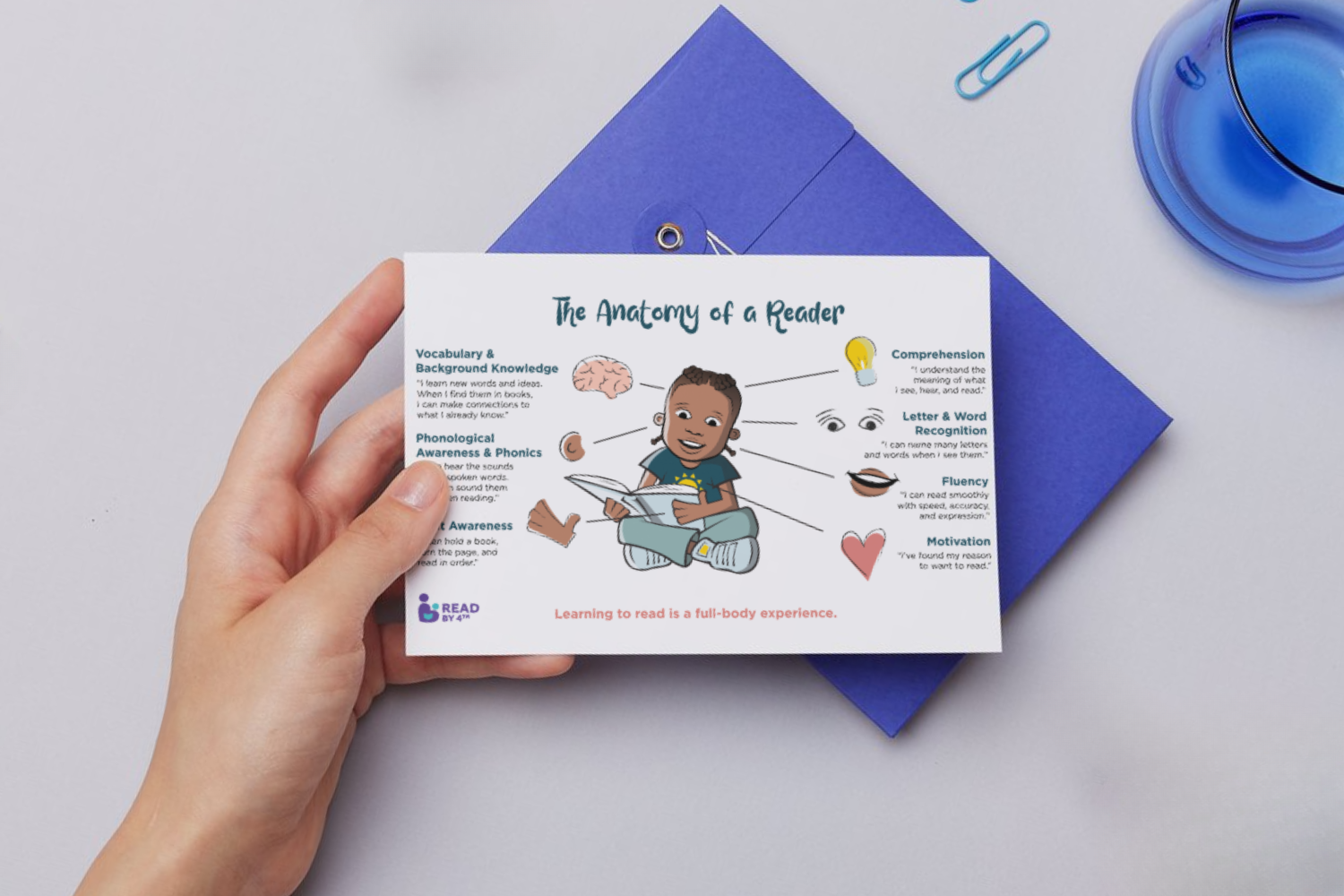
This graphic makes the science of reading clear and helps families, schools, and communities speak the same language.
Philadelphia once had nearly 200 school librarians, now it has two. This is how the city lost them and how we can bring them back.
In a night of celebration and action, Read by 4th partners came together to fight for every child’s right to read.
From struggling reader to community leader, Jazmine is making sure more children have the support they need to thrive.
We can’t talk about the early literacy crisis without being real about something else: the adult literacy crisis.
Self-care isn't just wellness, it’s the foundation of sustainable healthy advocacy. Caring for ourselves helps us better care for others.
Want to rally for Philly’s young readers? Download our free posters and help push for policies that fuel early literacy success.
Moffet School is rewriting the script on reading with structured literacy, family engagement, and a whole-child approach.
Reading Captains, you’ve got the trust, the heart, and the know-how. Here are a few simple, powerful ways to spread a love of literacy.
Literacy is a right, but it hasn’t always been protected. Check out this Lunch & Learn exploring the history of Black literacy in America and the lessons we can carry into our present and future.
Use these reflection questions as a strategic tool to help bring our shared values off to life.
The literacy world is packed with big, fancy words—but we’re not about that. Here’s a no-fluff guide to the key terms that matter to Philly’s early literacy movement.
Chewing on books? Reading backward? Obsessed with one story? These quirky reading habits might seem strange, but they’re actually signs your child is learning.